
Open BabySteps App
Continue your parenting journey in the official BabySteps app. Open or download it below.
Understand changes in your body, differentiate normal gestational events from red flags, and access clinically approved self-care insights.
You may feel more tired than usual during pregnancy. This is due to the increased demands of your body. Getting plenty of rest, staying hydrated, and eating a balanced diet can help combat fatigue.
During pregnancy, hormonal changes can slow digestion, leading to Gas. Eating smaller, more frequent meals and avoiding foods that trigger Gas can help alleviate discomfort. Gentle exercise and staying hydrated may also help improve digestion. If Gas becomes severe or persistent, consult your doctor for advice.
Heartburn, or acid indigestion, is common during pregnancy due to hormonal changes and pressure from the growing uterus on the stomach. To help relieve heartburn, eat small, frequent meals, avoid spicy or acidic foods, and sit up after eating. If heartburn persists or becomes severe, consult your healthcare provider for advice on safe treatment options during pregnancy.
Many pregnant women experience morning sickness, characterized by nausea and vomiting, especially during the first trimester. While it's called "morning sickness," it can occur at any time of the day. Eating small, frequent meals, avoiding triggers, and staying hydrated can help manage symptoms. If morning sickness is severe or persistent, consult your healthcare provider for guidance on managing symptoms and preventing dehydration.
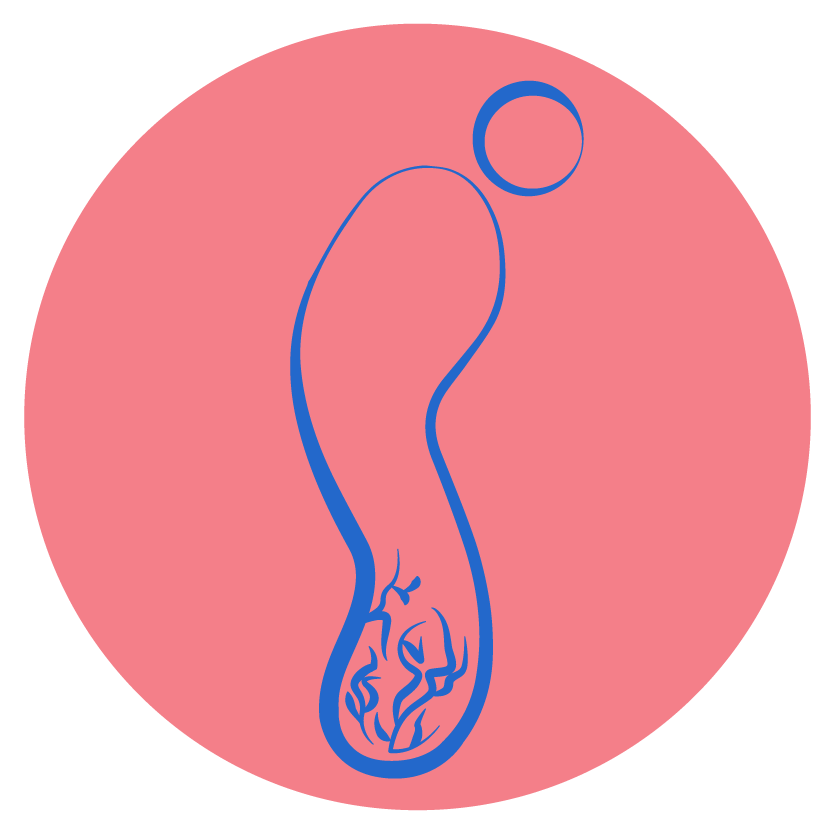
During pregnancy, the pressure of your growing uterus can lead to swollen, twisted veins, known as varicose veins, often in the legs. To help relieve discomfort, try elevating your legs and wearing compression stockings. If you're concerned or experiencing severe symptoms, consult your healthcare provider for guidance.