
Open BabySteps App
Continue your parenting journey in the official BabySteps app. Open or download it below.
Understand changes in your body, differentiate normal gestational events from red flags, and access clinically approved self-care insights.
.png)
Mild abdominal discomfort is common during pregnancy due to stretching ligaments, growing uterus, and digestive changes. However, if abdominal pain is severe, persistent, or accompanied by other symptoms like bleeding or fever, consult your healthcare provider for evaluation and guidance.

Aches and pains, including muscle soreness, joint pain, and general discomfort, are common during pregnancy due to hormonal changes, weight gain, and physical strain. To alleviate aches and pains, practice gentle stretching exercises, use heat or cold packs, and maintain good posture. If pain is severe or persistent, consult your healthcare provider for evaluation and guidance on managing symptoms safely during pregnancy.
During pregnancy, hormonal changes can increase oil production in the skin, leading to acne breakouts. To manage acne, wash your face twice daily with a gentle cleanser, avoid harsh skincare products, and use non-comedogenic moisturizers and makeup. If acne persists or worsens, consult your healthcare provider for safe treatment options during pregnancy.

Anaemia, a condition characterised by low red blood cell count or low hemoglobin levels, is common during pregnancy due to increased blood volume and iron demands. Symptoms may include fatigue, weakness, and pale skin. To prevent or manage anemia, eat iron-rich foods, take prenatal vitamins as prescribed, and consult your healthcare provider for additional iron supplements if needed.

As your due date approaches, your baby may "drop" lower into your pelvis, known as lightening. This can relieve pressure on your diaphragm and make breathing easier, but it may also increase pressure on your bladder, causing more frequent urination. If you notice a significant change in the position of your baby, consult your healthcare provider for reassurance and guidance.
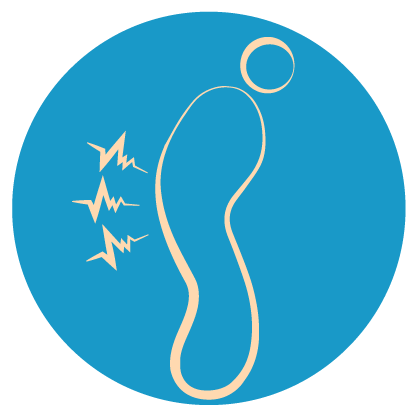
Back pain is common during pregnancy, especially as your baby grows and your center of gravity shifts. Practicing good posture, avoiding heavy lifting, and using supportive pillows can help alleviate discomfort. Gentle exercise, such as walking or prenatal yoga, may also provide relief. However, if back pain is severe or persistent, consult your healthcare provider for evaluation and guidance on managing symptoms safely during pregnancy.
Basal body temperature (BBT): Your basal body temperature (BBT) is your temperature taken first thing in the morning before you get out of bed. It is usually lower than your regular temperature during the day. During pregnancy, your BBT may rise slightly. This is because the production of progesterone increases during pregnancy, which can raise your temperature. A sustained rise in BBT can be a sign of pregnancy, but it is not always reliable.

During pregnancy, your belly button may undergo changes, such as becoming more prominent or "popping" out as your uterus expands. These changes are normal and vary from person to person. Embrace your evolving belly button as a natural part of pregnancy, and remember to consult your healthcare provider if you have concerns about any changes in your belly button or abdominal area.
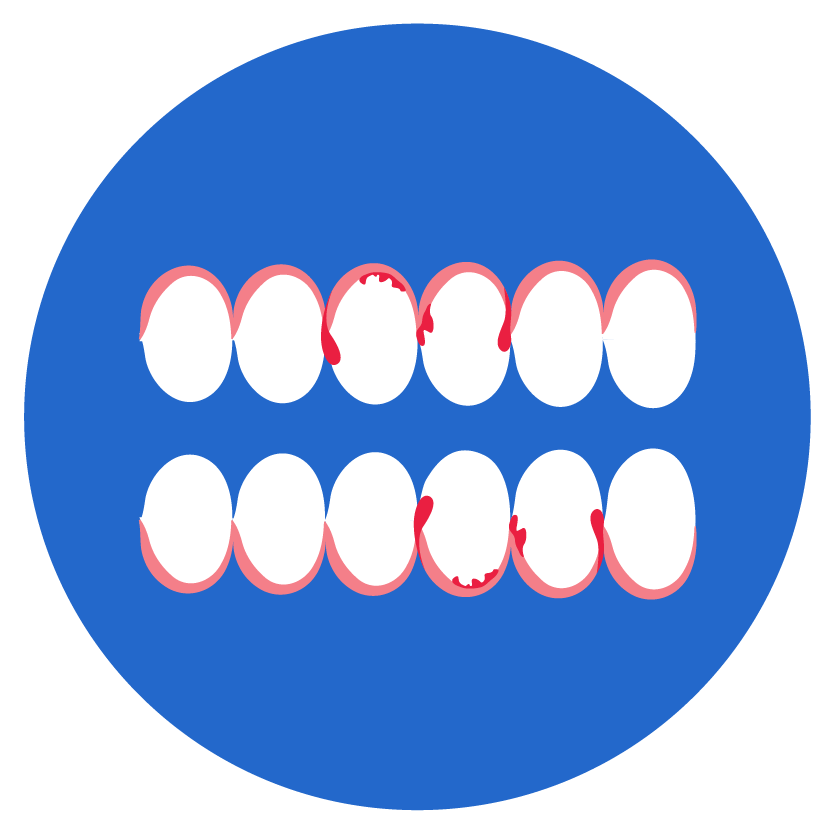
During pregnancy, hormonal changes can increase blood flow to the gums, making them more susceptible to bleeding and inflammation, a condition known as pregnancy gingivitis. To maintain oral health, brush and floss regularly, and schedule regular dental check-ups. If you experience persistent or excessive bleeding gums, consult your dentist or healthcare provider for evaluation and advice.
During pregnancy, hormonal changes can slow digestion, leading to bloating. Eating smaller, more frequent meals can help alleviate discomfort. Gentle exercise and staying hydrated may also help improve digestion. If bloating becomes severe or persistent, consult your doctor for advice.

Pink, red, or brown-colored urine, or visible blood when passing urine. Is it okay? Blood in urine is not normal and can be a sign of infection, kidney stones, or other urinary issues. What to do: Avoid delaying care and note any other symptoms like pain, fever, or burning while urinating. See a doctor if: Blood in urine occurs at any time, especially during pregnancy or if accompanied by pain, fever, or back pain.

Blurred vision or seeing spots, especially accompanied by headaches, could be signs of high blood pressure or preeclampsia, a serious pregnancy complication. If you experience these symptoms, particularly in the second or third trimester, consult your healthcare provider immediately.
Braxton Hicks contractions are intermittent, painless contractions of the uterus that occur throughout pregnancy. They are often described as a tightening or hardening of the abdomen and are considered a normal part of preparing the uterus for childbirth. However, if contractions become frequent, intense, or are accompanied by other symptoms like vaginal bleeding or pelvic pressure, consult your healthcare provider.
During pregnancy, your breasts undergo significant changes in preparation for breastfeeding. These changes may include increased size, tenderness, and darkening of the nipples and areolas. Wearing a supportive bra and using moisturizers or oils can help alleviate discomfort. If you notice unusual changes in your breasts, such as lumps or discharge, consult your healthcare provider for evaluation and reassurance.

Pregnancy can lead to changes in your cervix, the lower part of the uterus. As pregnancy progresses, the cervix may become softer, higher, and more closed. These changes are normal and help support your growing baby. However, if you experience any unusual discharge, bleeding, or pain, it's important to contact your healthcare provider.
In early pregnancy a person will develop a cervical plug. This is a layer of mucus that covers the cervix and blocks the entrance to the womb. This helps keep the baby safe and healthy. This can also be an early sign of pregnancy.
During pregnancy, hormonal changes can lead to an increase in vaginal discharge, known as leukorrhea. This discharge is usually thin, milky, and odorless. However, if you notice changes in color, consistency, or smell, or if you experience itching or irritation, consult your healthcare provider to rule out any infections or other concerns.
Chest pain can be concerning during pregnancy and is not considered normal. If you experience chest pain, it could indicate a serious health condition. Seek immediate medical attention to rule out any critical issues.