
Open BabySteps App
Continue your parenting journey in the official BabySteps app. Open or download it below.
Understand changes in your body, differentiate normal gestational events from red flags, and access clinically approved self-care insights.
Swelling or edema in the ankles and feet is common during pregnancy due to increased blood volume and pressure on the blood vessels from the growing uterus. To reduce swelling, elevate your legs when possible, avoid standing or sitting for long periods, and stay hydrated. If swelling is sudden or severe, particularly in the face or hands, consult your healthcare provider, as it could be a sign of preeclampsia.

During pregnancy, hormonal changes can cause increased blood flow to the gums, leading to swelling, tenderness, and bleeding. Practicing good oral hygiene, including regular brushing and flossing, can help alleviate symptoms. However, if swelling persists or worsens, consult your dentist or healthcare provider for evaluation and advice.

Swelling of the labia, or outer vaginal lips, is common during pregnancy due to increased blood flow and pressure from the growing uterus. To relieve swelling and discomfort, wear loose, breathable clothing, use cold packs or sitz baths, and avoid prolonged standing or sitting. If swelling is severe or accompanied by other symptoms like pain or itching, consult your healthcare provider for evaluation and advice.
Breast tenderness is a common early sign of pregnancy, caused by hormonal changes and increased blood flow to the breasts. Wearing a supportive bra and applying warm compresses can help alleviate discomfort. If breast tenderness is severe or accompanied by unusual changes, consult your doctor for reassurance and advice.
Shortness of breath can occur during pregnancy due to the growing uterus pressing against the diaphragm. However, if you experience severe or persistent trouble breathing, it could indicate a serious health issue. Seek immediate medical attention to ensure you and your baby are safe.

Any form of bleeding during pregnancy should be promptly evaluated by a healthcare professional. It could be a sign of a serious issue such as a miscarriage or placental problems. Consult your healthcare provider immediately for evaluation and guidance.

Pregnancy can increase the risk of vaginal infections due to hormonal changes and changes in vaginal pH levels. Symptoms may include abnormal discharge, itching, burning, or discomfort. If you suspect a vaginal infection, consult your healthcare provider for evaluation and treatment options. Avoid self-diagnosis or over-the-counter treatments, as some medications may not be safe during pregnancy.
During pregnancy, the pressure of your growing uterus can lead to swollen, twisted veins, known as varicose veins, often in the legs. To help relieve discomfort, try elevating your legs and wearing compression stockings. If you're concerned or experiencing severe symptoms, consult your healthcare provider for guidance.
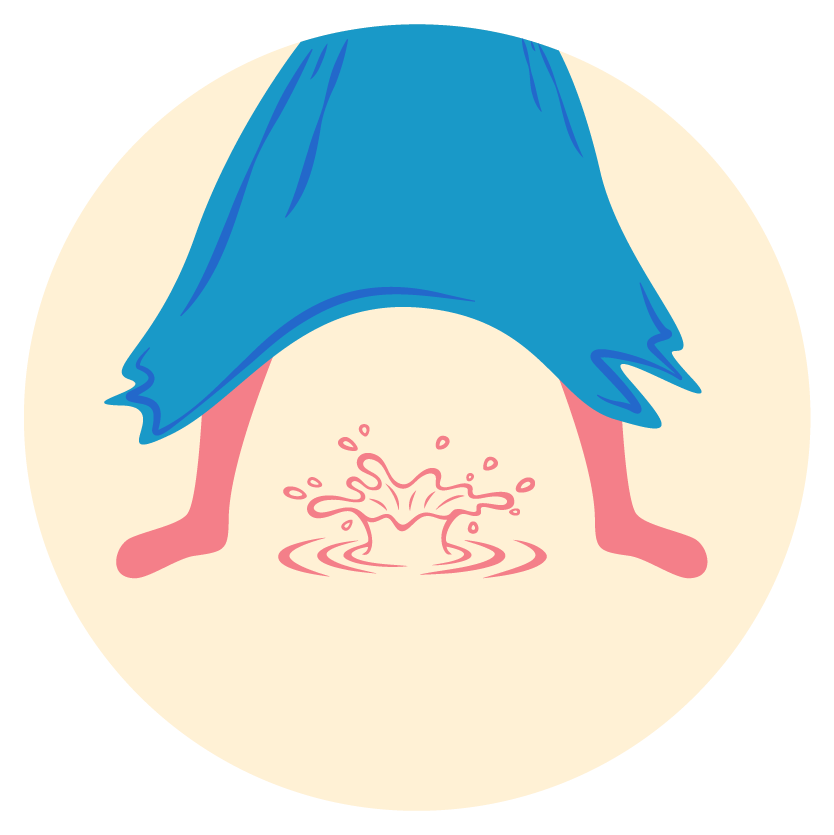
The rupture of the amniotic sac, known as the water breaking, is a sign that labor may soon begin. This can happen as a gush of fluid or a trickle. If you suspect your water has broken, contact your healthcare provider or go to the hospital for evaluation, especially if you're near your due date or experiencing contractions.

Weight gain is a normal and essential part of pregnancy, as your body adapts to support the growth and development of your baby. While the amount of weight gained varies from person to person, it's important to maintain a healthy diet and engage in regular exercise to support your overall health and well-being. If you have concerns about your weight gain during pregnancy, consult your healthcare provider for guidance and support.

Wrist pain, often associated with carpal tunnel syndrome, can occur during pregnancy due to fluid retention and swelling in the wrists and hands. To alleviate wrist pain, avoid repetitive motions that exacerbate symptoms, wear a wrist splint for support, and practice gentle stretching exercises. If wrist pain persists or worsens, consult your healthcare provider for evaluation and guidance on managing symptoms safely during pregnancy.