
Open BabySteps App
Continue your parenting journey in the official BabySteps app. Open or download it below.
Understand changes in your body, differentiate normal gestational events from red flags, and access clinically approved self-care insights.

Also known as the "mask of pregnancy," refers to dark patches of skin that commonly appear on the face, especially on the cheeks, forehead, and upper lip. This pigmentation change is caused by hormonal fluctuations and increased melanin production. While chloasma is harmless, wearing sunscreen and avoiding prolonged sun exposure can help prevent further darkening. If you have concerns about changes in your skin during pregnancy, consult your healthcare provider for reassurance and advice.

Pregnancy can bring a mix of emotions, from joy and excitement to anxiety and worry. It's normal to feel conflicting emotions as you navigate the changes and uncertainties of pregnancy. Talking openly with your partner, friends, or healthcare provider can help you process your feelings and find support.
Constipation is a common discomfort during pregnancy, often due to hormonal changes, pressure from the growing uterus, and iron supplements. Eating a high-fiber diet, staying hydrated, and getting regular exercise can help prevent constipation. If constipation persists or is accompanied by severe pain, bleeding, or other concerning symptoms, consult your healthcare provider for evaluation.
Mild cramping can be common during early pregnancy as the uterus expands to accommodate the growing baby. However, severe or persistent cramping, especially accompanied by bleeding, can be a sign of a more serious issue. If you experience intense cramping or have concerns, contact your healthcare provider for evaluation and reassurance.
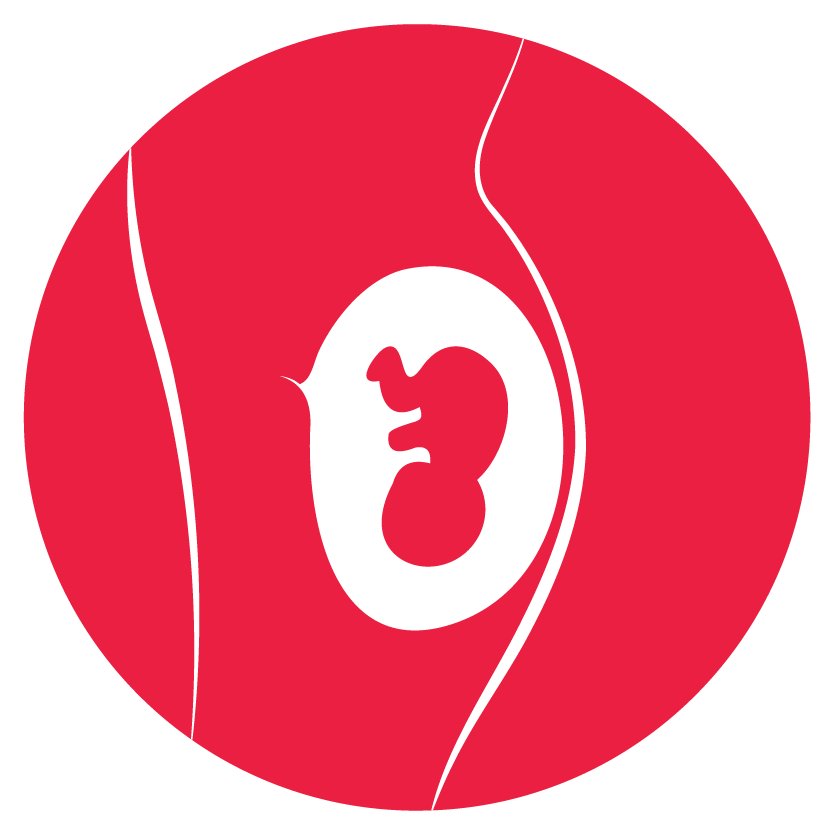
Feeling your baby move, also known as quickening, is an exciting milestone in pregnancy, usually felt between 18 and 25 weeks gestation. If you notice a significant decrease in your baby’s movements or no movement at all, it could be a cause for concern. Consult your healthcare provider immediately to ensure your baby's well-being.
Some pregnant women experience diarrhea due to hormonal changes or dietary adjustments. It's essential to stay hydrated if you're experiencing frequent bowel movements. However, if diarrhea persists for more than a day or is accompanied by other symptoms like fever or abdominal pain, contact your healthcare provider.

Dizziness or lightheadedness can occur during pregnancy due to changes in blood pressure, blood sugar levels, and circulation. To help prevent dizziness, avoid standing up too quickly, stay hydrated, and eat regular, balanced meals. If you experience frequent or severe dizziness, lie down on your side and consult your healthcare provider for evaluation and guidance.

Some pregnant women experience increased saliva production, known as hypersalivation or ptyalism. This can be caused by hormonal changes, nausea, or acid reflux. While excessive saliva is usually harmless, it can be bothersome. Drinking plenty of fluids, chewing sugar-free gum, and avoiding acidic or spicy foods may help reduce saliva production. If excessive saliva persists or interferes with eating or swallowing, consult your healthcare provider for evaluation and advice.
Occasional lightheadedness can occur during pregnancy due to hormonal changes and blood pressure fluctuations. However, if you frequently feel faint or lightheaded, it could be a sign of an underlying health problem. Seek immediate medical attention if you experience severe or persistent symptoms.
You may feel more tired than usual during pregnancy. This is due to the increased demands of your body. Getting plenty of rest, staying hydrated, and eating a balanced diet can help combat fatigue.
Feeling your baby move, also known as quickening, is an exciting milestone in pregnancy. Most women begin to feel movement between 18 and 25 weeks gestation, though it can vary. These movements may feel like flutters, kicks, or rolls and can become more pronounced as your pregnancy progresses. If you have concerns about fetal movement patterns, consult your healthcare provider for reassurance.

A body temperature higher than normal (usually above 38°C or 100.4°F). Is it okay? Fever can happen due to minor illnesses, but during pregnancy it can sometimes signal an infection. What to do: Rest, stay hydrated, and monitor your temperature. Avoid taking medication unless advised by a doctor. See a doctor if: Fever persists, is high, or occurs with pain, burning while urinating, chills, bleeding, or reduced fetal movement.
Many pregnant women experience food aversions, where certain smells or tastes trigger feelings of nausea or disgust. This can be a result of hormonal changes and may vary from person to person. It's essential to listen to your body and avoid foods that make you feel unwell. If food aversions impact your ability to eat a balanced diet, consult your healthcare provider.

During pregnancy, hormonal changes, fatigue, and stress can contribute to forgetfulness or "pregnancy brain." To cope with forgetfulness, try using lists, calendars, and reminders to stay organized. Getting plenty of rest and practicing stress-reduction techniques can also help improve memory and cognitive function during pregnancy.
Your growing uterus puts pressure on your bladder, which can make you feel like you need to pee more often. While frequent urination is normal, it's essential to stay hydrated and empty your bladder regularly to prevent urinary tract infections. If you experience pain, burning, or other symptoms along with frequent urination, consult your healthcare provider for evaluation and treatment.
During pregnancy, hormonal changes can slow digestion, leading to Gas. Eating smaller, more frequent meals and avoiding foods that trigger Gas can help alleviate discomfort. Gentle exercise and staying hydrated may also help improve digestion. If Gas becomes severe or persistent, consult your doctor for advice.
Pregnancy hormones can affect hair and nail growth and texture. Some women experience thicker, shinier hair, while others may notice changes in hair texture or increased shedding after childbirth. Similarly, nails may grow faster and become stronger during pregnancy. These changes are normal and usually temporary.
Headaches are common during pregnancy due to hormonal changes, increased blood volume, and changes in blood circulation. Managing stress, staying hydrated, and getting regular exercise can help prevent headaches. However, if headaches are severe, persistent, or accompanied by other symptoms like vision changes or swelling, consult your healthcare provider for evaluation and guidance.