Open BabySteps App
Continue your parenting journey in the official BabySteps app. Open or download it below.
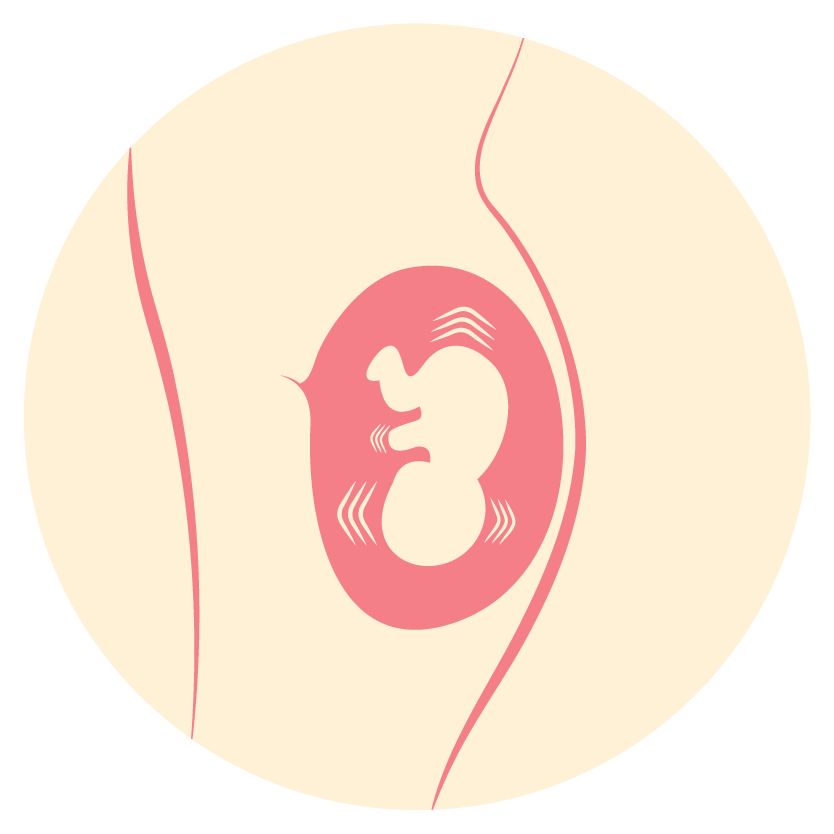
Gestational timeline: 2nd Trimester & 3rd Trimester
Feeling your baby move, also known as quickening, is an exciting milestone in pregnancy. Most women begin to feel movement between 18 and 25 weeks gestation, though it can vary. These movements may feel like flutters, kicks, or rolls and can become more pronounced as your pregnancy progresses. If you have concerns about fetal movement patterns, consult your healthcare provider for reassurance. It typically occurs during Weeks 16, 25, 30, 37 (2nd Trimester & 3rd Trimester) of pregnancy.
2nd Trimester & 3rd Trimester — typically experienced around weeks 37, 16, 25, 30
This safety grid maps the typical progression and status of fetal movement over the 40 weeks of pregnancy.
Here are other common symptoms that typically occur during weeks 37, 16, 25, 30:

Pregnancy can bring a mix of emotions, from joy and excitement to anxiety and worry. It's normal to feel conflicting emotions as you navigate the changes and uncertainties of pregnancy. Talking openly with your partner, friends, or healthcare provider can help you process your feelings and find support.
Headaches are common during pregnancy due to hormonal changes, increased blood volume, and changes in blood circulation. Managing stress, staying hydrated, and getting regular exercise can help prevent headaches. However, if headaches are severe, persistent, or accompanied by other symptoms like vision changes or swelling, consult your healthcare provider for evaluation and guidance.
For managing fetal movement during pregnancy, it is recommended to consult with the following certified care providers:
You can search for, chat with, and book virtual consultations with these providers inside the companion app.
Learn more about self-care strategies and expected timeline variations with these guides:
Insights, articles, and other content for these topics are available inside the companion.
Unlock personalized timeline logging, video content, 1-on-1 specialist bookings, and curated Shoppe remedies inside our app.