
Open BabySteps App
Continue your parenting journey in the official BabySteps app. Open or download it below.
Understand changes in your body, differentiate normal gestational events from red flags, and access clinically approved self-care insights.

Pregnancy can bring a mix of emotions, from joy and excitement to anxiety and worry. It's normal to feel conflicting emotions as you navigate the changes and uncertainties of pregnancy. Talking openly with your partner, friends, or healthcare provider can help you process your feelings and find support.
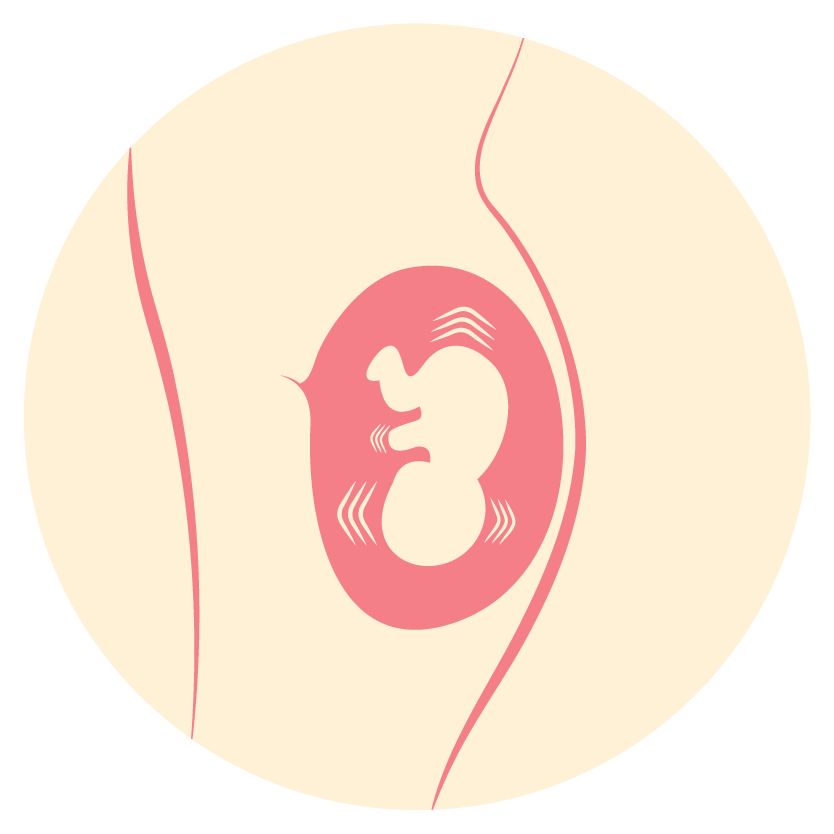
Feeling your baby move, also known as quickening, is an exciting milestone in pregnancy. Most women begin to feel movement between 18 and 25 weeks gestation, though it can vary. These movements may feel like flutters, kicks, or rolls and can become more pronounced as your pregnancy progresses. If you have concerns about fetal movement patterns, consult your healthcare provider for reassurance.
Headaches are common during pregnancy due to hormonal changes, increased blood volume, and changes in blood circulation. Managing stress, staying hydrated, and getting regular exercise can help prevent headaches. However, if headaches are severe, persistent, or accompanied by other symptoms like vision changes or swelling, consult your healthcare provider for evaluation and guidance.
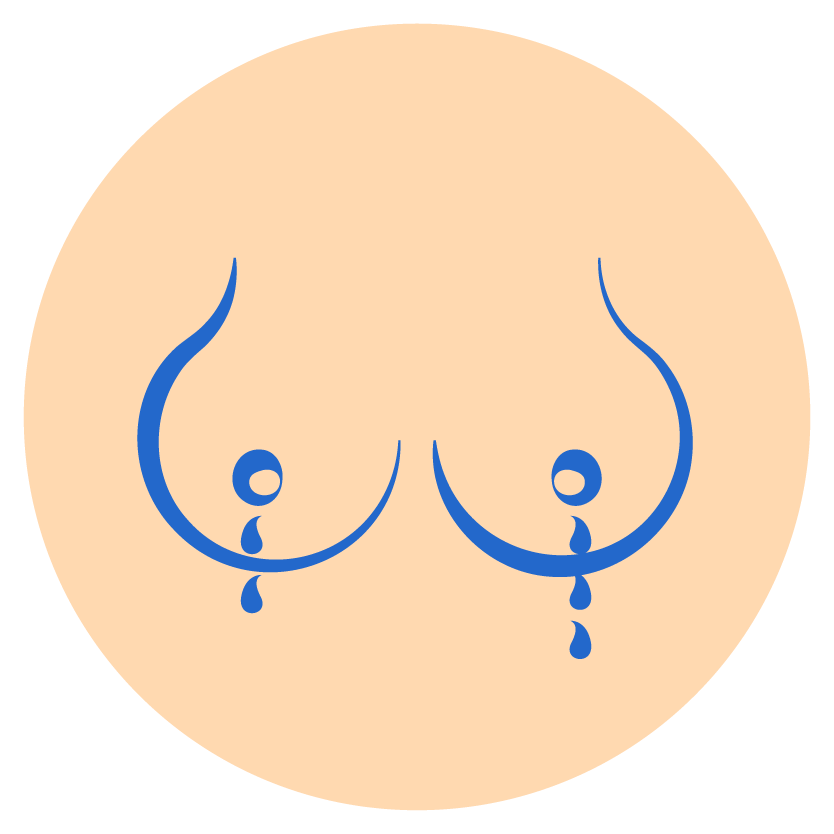
You may start to leak milk from your breasts. This is called colostrum, and it is a good sign that your body is preparing for breastfeeding. Wearing nursing pads or breast pads can help absorb any leakage. If you experience excessive leakage or have concerns about breast changes, consult your healthcare provider.
Breast tenderness is a common early sign of pregnancy, caused by hormonal changes and increased blood flow to the breasts. Wearing a supportive bra and applying warm compresses can help alleviate discomfort. If breast tenderness is severe or accompanied by unusual changes, consult your doctor for reassurance and advice.