
Open BabySteps App
Continue your parenting journey in the official BabySteps app. Open or download it below.
Understand changes in your body, differentiate normal gestational events from red flags, and access clinically approved self-care insights.
During pregnancy, hormonal changes can slow digestion, leading to bloating. Eating smaller, more frequent meals can help alleviate discomfort. Gentle exercise and staying hydrated may also help improve digestion. If bloating becomes severe or persistent, consult your doctor for advice.
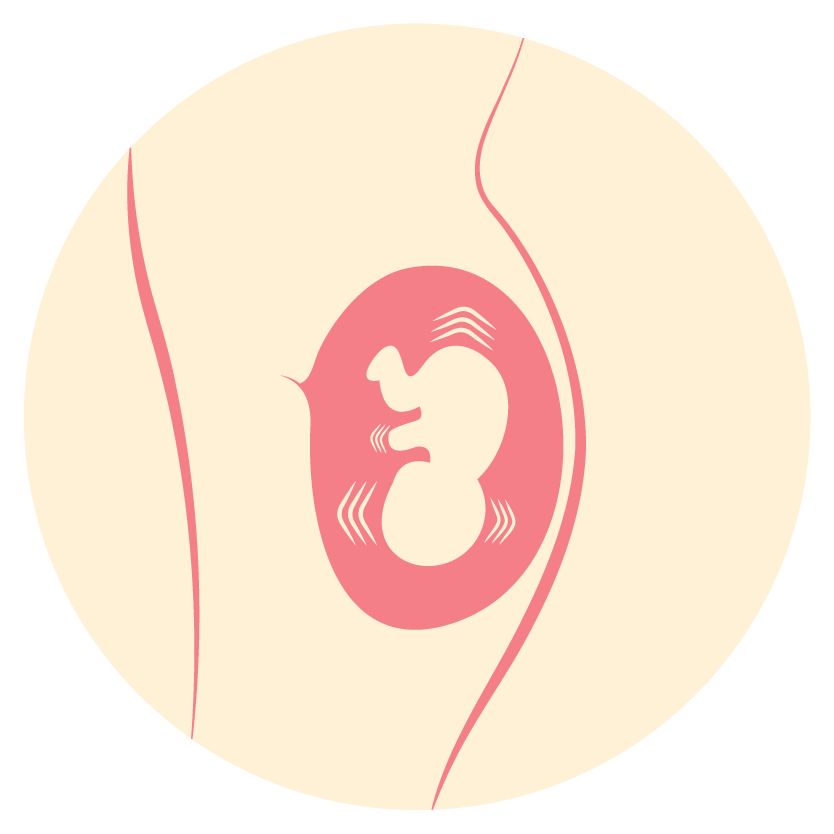
Feeling your baby move, also known as quickening, is an exciting milestone in pregnancy. Most women begin to feel movement between 18 and 25 weeks gestation, though it can vary. These movements may feel like flutters, kicks, or rolls and can become more pronounced as your pregnancy progresses. If you have concerns about fetal movement patterns, consult your healthcare provider for reassurance.
Many pregnant women experience food aversions, where certain smells or tastes trigger feelings of nausea or disgust. This can be a result of hormonal changes and may vary from person to person. It's essential to listen to your body and avoid foods that make you feel unwell. If food aversions impact your ability to eat a balanced diet, consult your healthcare provider.
It's common to experience a boost in appetite during pregnancy due to hormonal changes and the increased energy needs of your growing baby. To satisfy cravings and maintain a balanced diet, focus on nutrient-rich foods like fruits, vegetables, lean proteins, and whole grains. However, be mindful of portion sizes to prevent excessive weight gain. If you have concerns about your appetite or dietary habits, consult your healthcare provider for guidance.
Pelvic pain is common during pregnancy due to the stretching of ligaments and pressure on the pelvic area from the growing uterus. To relieve pelvic pain, practice good posture, use supportive pillows when resting, and engage in gentle exercises like prenatal yoga or swimming. If pelvic pain is severe or persistent, consult your healthcare provider for evaluation and guidance on managing symptoms safely during pregnancy.
Breast tenderness is a common early sign of pregnancy, caused by hormonal changes and increased blood flow to the breasts. Wearing a supportive bra and applying warm compresses can help alleviate discomfort. If breast tenderness is severe or accompanied by unusual changes, consult your doctor for reassurance and advice.
During pregnancy, the pressure of your growing uterus can lead to swollen, twisted veins, known as varicose veins, often in the legs. To help relieve discomfort, try elevating your legs and wearing compression stockings. If you're concerned or experiencing severe symptoms, consult your healthcare provider for guidance.