
Open BabySteps App
Continue your parenting journey in the official BabySteps app. Open or download it below.
Understand changes in your body, differentiate normal gestational events from red flags, and access clinically approved self-care insights.

During pregnancy, your belly button may undergo changes, such as becoming more prominent or "popping" out as your uterus expands. These changes are normal and vary from person to person. Embrace your evolving belly button as a natural part of pregnancy, and remember to consult your healthcare provider if you have concerns about any changes in your belly button or abdominal area.
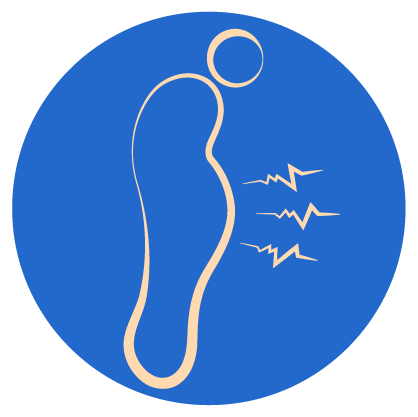
Braxton Hicks contractions are intermittent, painless contractions of the uterus that occur throughout pregnancy. They are often described as a tightening or hardening of the abdomen and are considered a normal part of preparing the uterus for childbirth. However, if contractions become frequent, intense, or are accompanied by other symptoms like vaginal bleeding or pelvic pressure, consult your healthcare provider.
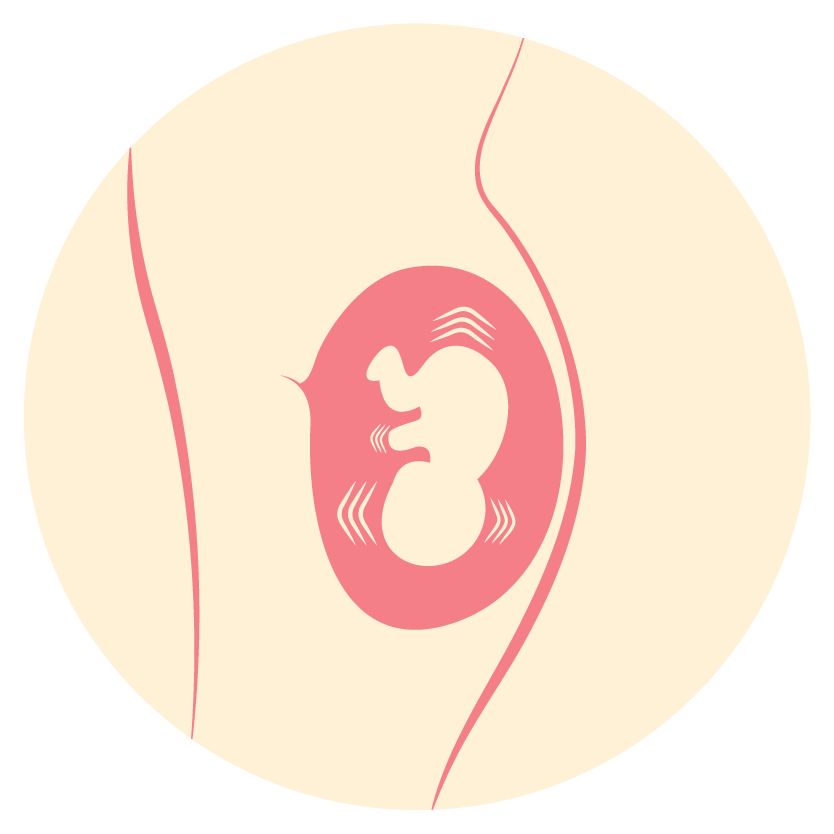
Feeling your baby move, also known as quickening, is an exciting milestone in pregnancy. Most women begin to feel movement between 18 and 25 weeks gestation, though it can vary. These movements may feel like flutters, kicks, or rolls and can become more pronounced as your pregnancy progresses. If you have concerns about fetal movement patterns, consult your healthcare provider for reassurance.
Trouble sleeping, including difficulty falling asleep or staying asleep, is common during pregnancy due to hormonal changes, physical discomfort, and anxiety. To improve sleep quality, establish a relaxing bedtime routine, create a comfortable sleep environment, and practice relaxation techniques like deep breathing or meditation. If sleep problems persist or worsen, consult your healthcare provider for evaluation and guidance on managing symptoms safely during pregnancy.
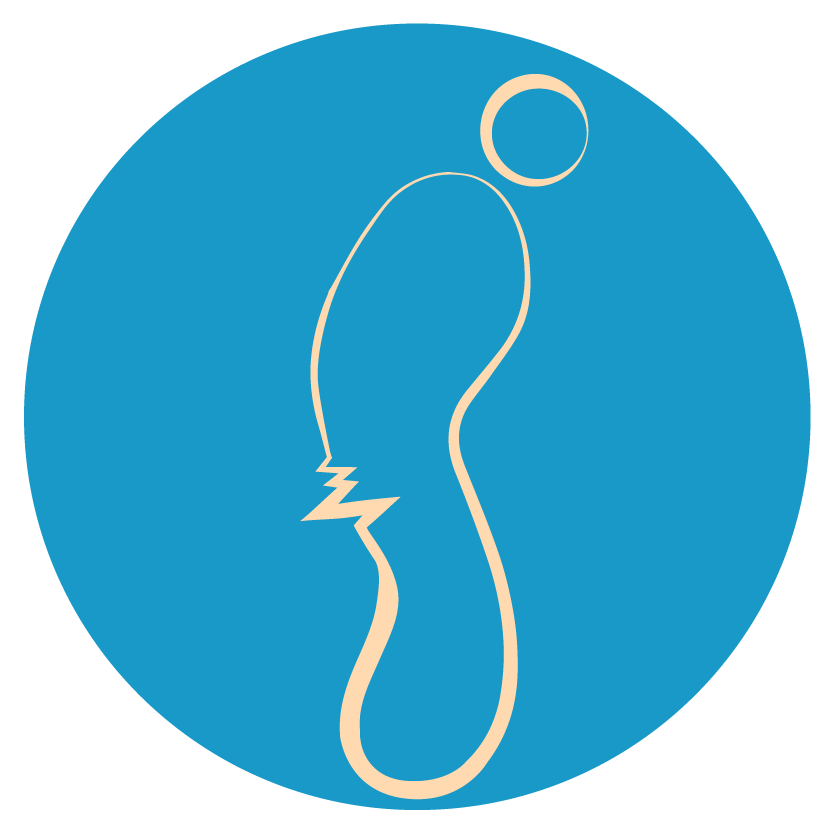
Lower back pain is common during pregnancy due to the added weight and changes in posture as your baby grows. To relieve lower back pain, practice good posture, wear supportive shoes, and use pillows for added lumbar support when sitting or sleeping. Gentle exercise, such as prenatal yoga or swimming, may also help alleviate discomfort.