
Open BabySteps App
Continue your parenting journey in the official BabySteps app. Open or download it below.
Understand changes in your body, differentiate normal gestational events from red flags, and access clinically approved self-care insights.
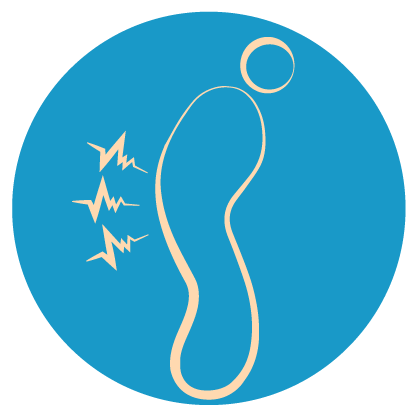
Back pain is common during pregnancy, especially as your baby grows and your center of gravity shifts. Practicing good posture, avoiding heavy lifting, and using supportive pillows can help alleviate discomfort. Gentle exercise, such as walking or prenatal yoga, may also provide relief. However, if back pain is severe or persistent, consult your healthcare provider for evaluation and guidance on managing symptoms safely during pregnancy.

During pregnancy, your breasts undergo significant changes in preparation for breastfeeding. These changes may include increased size, tenderness, and darkening of the nipples and areolas. Wearing a supportive bra and using moisturizers or oils can help alleviate discomfort. If you notice unusual changes in your breasts, such as lumps or discharge, consult your healthcare provider for evaluation and reassurance.
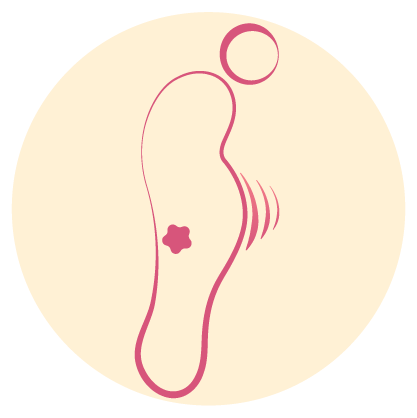
Constipation is a common discomfort during pregnancy, often due to hormonal changes, pressure from the growing uterus, and iron supplements. Eating a high-fiber diet, staying hydrated, and getting regular exercise can help prevent constipation. If constipation persists or is accompanied by severe pain, bleeding, or other concerning symptoms, consult your healthcare provider for evaluation.
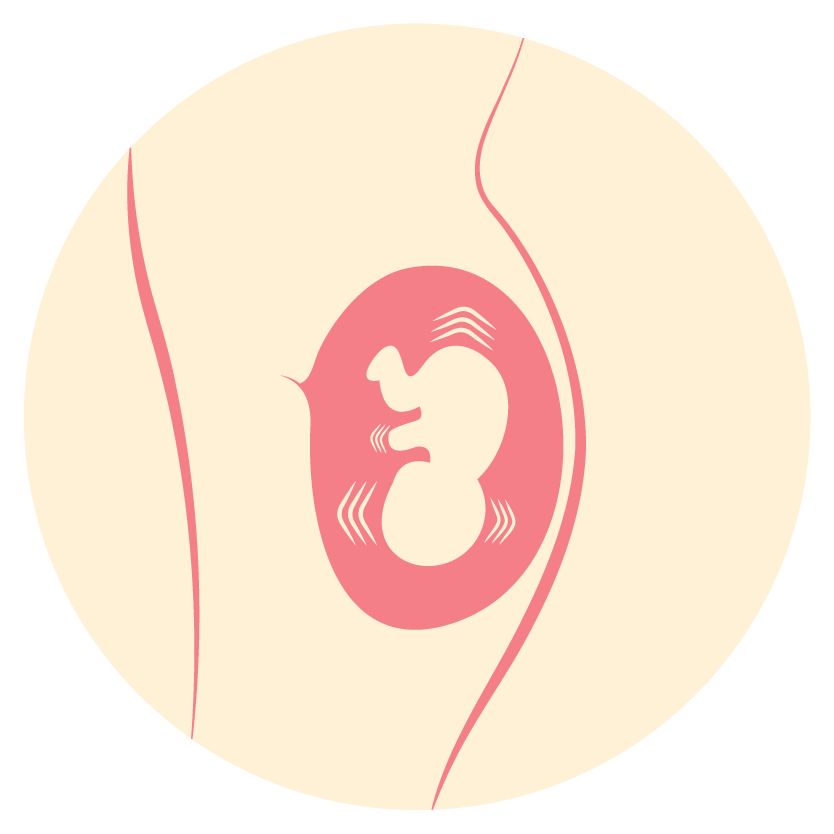
Feeling your baby move, also known as quickening, is an exciting milestone in pregnancy. Most women begin to feel movement between 18 and 25 weeks gestation, though it can vary. These movements may feel like flutters, kicks, or rolls and can become more pronounced as your pregnancy progresses. If you have concerns about fetal movement patterns, consult your healthcare provider for reassurance.

During pregnancy, hormonal changes, fatigue, and stress can contribute to forgetfulness or "pregnancy brain." To cope with forgetfulness, try using lists, calendars, and reminders to stay organized. Getting plenty of rest and practicing stress-reduction techniques can also help improve memory and cognitive function during pregnancy.

Weight gain is a normal and essential part of pregnancy, as your body adapts to support the growth and development of your baby. While the amount of weight gained varies from person to person, it's important to maintain a healthy diet and engage in regular exercise to support your overall health and well-being. If you have concerns about your weight gain during pregnancy, consult your healthcare provider for guidance and support.