
Open BabySteps App
Continue your parenting journey in the official BabySteps app. Open or download it below.
Gestational timeline: 2nd Trimester & 3rd Trimester
Back pain is common during pregnancy, especially as your baby grows and your center of gravity shifts. Practicing good posture, avoiding heavy lifting, and using supportive pillows can help alleviate discomfort. Gentle exercise, such as walking or prenatal yoga, may also provide relief. However, if back pain is severe or persistent, consult your healthcare provider for evaluation and guidance on managing symptoms safely during pregnancy. It typically occurs during Weeks 16, 28 (2nd Trimester & 3rd Trimester) of pregnancy.
2nd Trimester & 3rd Trimester — typically experienced around weeks 16, 28
Watch expert-guided videos about back pain during pregnancy:
This safety grid maps the typical progression and status of back pain over the 40 weeks of pregnancy.
Learn more about self-care strategies and expected timeline variations with these guides:
Insights, articles, and other content for these topics are available inside the companion.
Unlock personalized timeline logging, video content, 1-on-1 specialist bookings, and curated Shoppe remedies inside our app.
Here are other common symptoms that typically occur during weeks 16, 28:
During pregnancy, your breasts undergo significant changes in preparation for breastfeeding. These changes may include increased size, tenderness, and darkening of the nipples and areolas. Wearing a supportive bra and using moisturizers or oils can help alleviate discomfort. If you notice unusual changes in your breasts, such as lumps or discharge, consult your healthcare provider for evaluation and reassurance.
Constipation is a common discomfort during pregnancy, often due to hormonal changes, pressure from the growing uterus, and iron supplements. Eating a high-fiber diet, staying hydrated, and getting regular exercise can help prevent constipation. If constipation persists or is accompanied by severe pain, bleeding, or other concerning symptoms, consult your healthcare provider for evaluation.
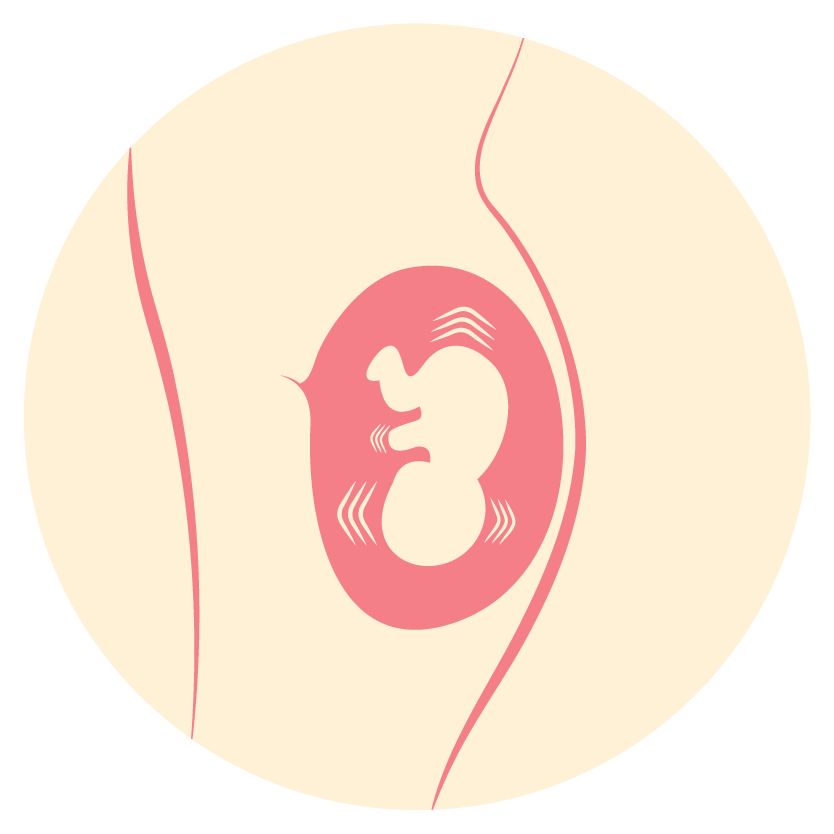
Feeling your baby move, also known as quickening, is an exciting milestone in pregnancy. Most women begin to feel movement between 18 and 25 weeks gestation, though it can vary. These movements may feel like flutters, kicks, or rolls and can become more pronounced as your pregnancy progresses. If you have concerns about fetal movement patterns, consult your healthcare provider for reassurance.