
Open BabySteps App
Continue your parenting journey in the official BabySteps app. Open or download it below.
Understand changes in your body, differentiate normal gestational events from red flags, and access clinically approved self-care insights.

Blurred vision or seeing spots, especially accompanied by headaches, could be signs of high blood pressure or preeclampsia, a serious pregnancy complication. If you experience these symptoms, particularly in the second or third trimester, consult your healthcare provider immediately.
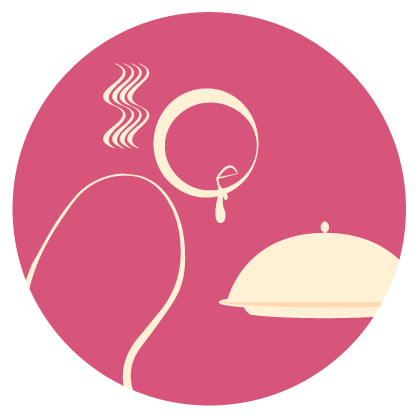
Many pregnant women experience food aversions, where certain smells or tastes trigger feelings of nausea or disgust. This can be a result of hormonal changes and may vary from person to person. It's essential to listen to your body and avoid foods that make you feel unwell. If food aversions impact your ability to eat a balanced diet, consult your healthcare provider.

Pregnancy can sometimes bring on itchy skin due to stretching and hormonal changes. While mild itching is normal, severe or persistent itching could signal a liver problem called cholestasis. If you're experiencing intense itching, especially on the palms of your hands or the soles of your feet, consult your doctor.
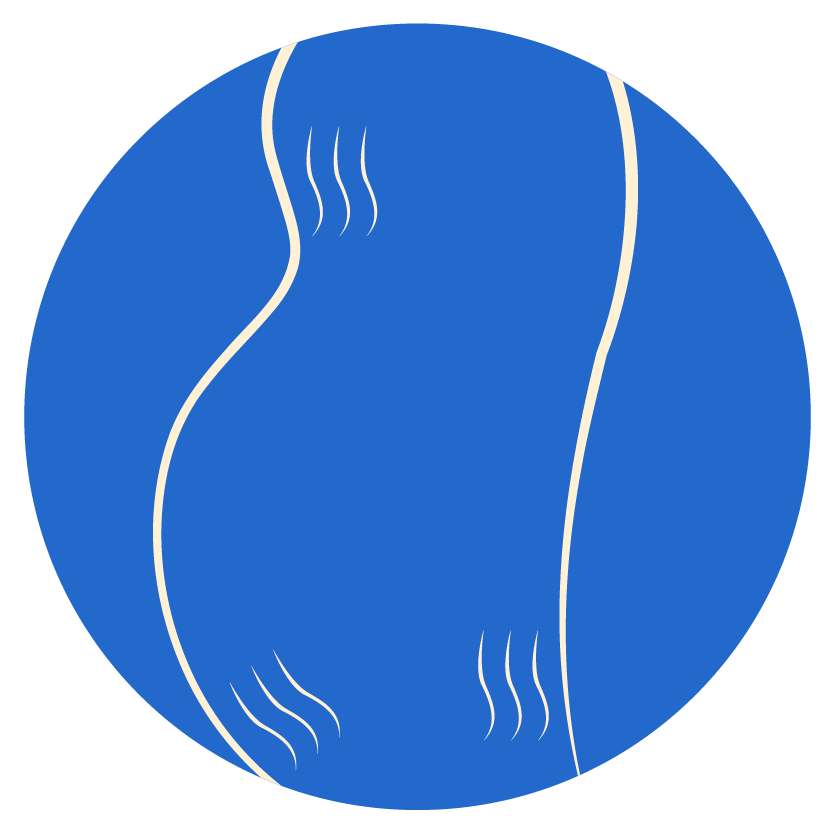
These are pink or purple streaks that can appear on your abdomen, breasts, thighs, and buttocks. They are caused by the rapid stretching of your skin to accommodate your growing baby. While they're a natural part of pregnancy, keeping the skin well-moisturized with creams or oils can help minimize their appearance. However, it's important to remember that stretch marks are normal and fade over time.