
Open BabySteps App
Continue your parenting journey in the official BabySteps app. Open or download it below.
Understand changes in your body, differentiate normal gestational events from red flags, and access clinically approved self-care insights.

During pregnancy, hormonal changes can increase blood flow to the gums, making them more susceptible to bleeding and inflammation, a condition known as pregnancy gingivitis. To maintain oral health, brush and floss regularly, and schedule regular dental check-ups. If you experience persistent or excessive bleeding gums, consult your dentist or healthcare provider for evaluation and advice.

Blurred vision or seeing spots, especially accompanied by headaches, could be signs of high blood pressure or preeclampsia, a serious pregnancy complication. If you experience these symptoms, particularly in the second or third trimester, consult your healthcare provider immediately.
Linea nigra is a dark line that appears vertically on the abdomen during pregnancy, typically in the second trimester. This pigmentation change is caused by hormonal fluctuations and increased melanin production. While linea nigra is harmless and usually fades after childbirth, wearing sunscreen and avoiding prolonged sun exposure can help prevent further darkening.
Hormonal fluctuations during pregnancy can lead to mood swings, characterized by sudden changes in emotions, ranging from happiness to sadness or irritability. It's essential to communicate openly with your partner and healthcare provider about your feelings and concerns. Engaging in relaxation techniques, maintaining a healthy lifestyle, and seeking support from loved ones can help manage mood swings during pregnancy.
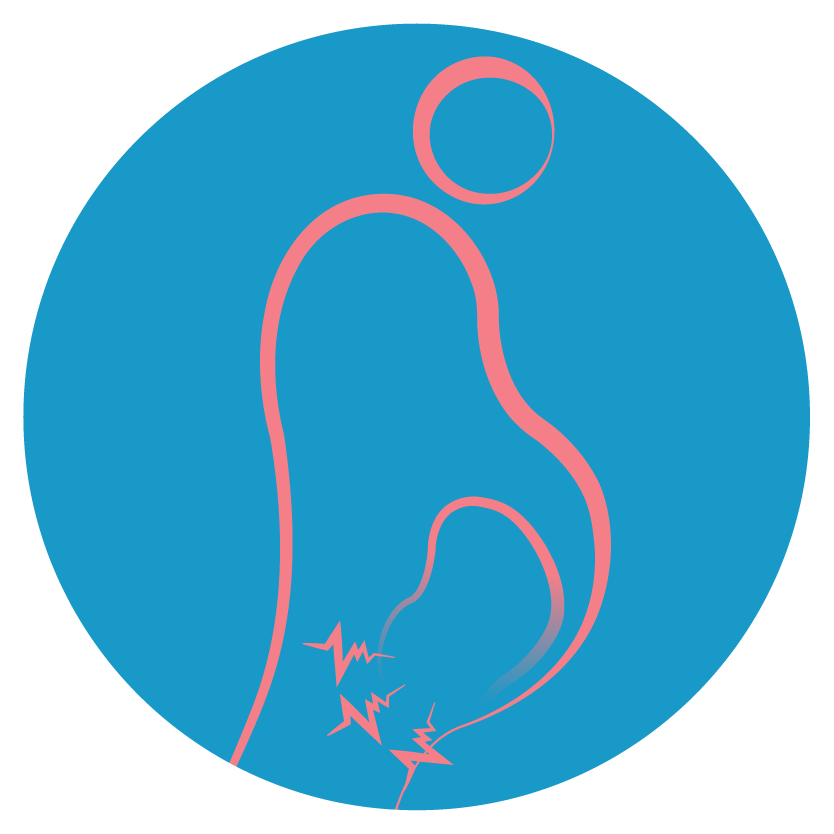
The round ligaments are two bands of tissue that support the uterus. As your uterus grows, the round ligaments can stretch, which can cause pain in the lower abdomen or groin area. To relieve round ligament pain, try changing positions, practicing gentle stretches, and applying heat or cold packs. However, if pain is severe or persistent, consult your healthcare provider.