
Open BabySteps App
Continue your parenting journey in the official BabySteps app. Open or download it below.
Discover what happens during week 11 of first trimester. Baby development, body changes, symptoms, and a weekly checklist.
Hurrah! It’s fetus time! It must be enthralling and overwhelming to be almost three months pregnant. A highly unpredictable week may offer anything from itchy skin and oily scalp to smooth hair and a radiating face. No matter how you feel about your first trimester almost ending, don't hesitate to reach out to loved ones or healthcare providers for support and companionship.
First Trimester is a time of rapid change — for both you and your baby. Every pregnancy is unique, and the information below will help you understand what's happening and how to prepare for the weeks ahead.

Your uterus continues expanding beyond the pelvis, placing more pressure on nearby muscles and organs. Hormone levels remain elevated, but the body often starts adapting more efficiently now. Energy may begin returning gradually for some people around this stage.
You may feel slightly more stable physically, even if fatigue still comes in waves. Bloating, breast changes, headaches, or occasional dizziness can still happen as your body continues adjusting.
Bones begin hardening, tooth buds form beneath the gums, and the hands can now open and close. Your baby is moving frequently, though the movements are still too small to feel. Body proportions slowly begin balancing as development continues.

Each week brings new things to prepare for. Here's what expecting parents during week 11 typically track in the BabySteps Companion app. Items are sorted by priority so you can focus on what matters most.
Consider planning a babymoon—a relaxing getaway before baby arrives. Choose a destination that allows you and your partner to unwind, connect, and enjoy precious moments together.
Begin curating your baby registry with essentials and items that resonate with your family's needs. This thoughtful preparation ensures you're ready to welcome your little one with everything they'll need.
Reach out to friends, family, and other expecting parents to start building your support network. Sharing experiences, tips, and emotions creates a sense of camaraderie that enriches your pregnancy journey.
Embrace comfort and style by beginning to shop for your maternity wardrobe. Look for elastic waists and ruched tops that accommodate your changing body while reflecting your personal flair.
Get reminders, mark items as done, and never miss a step.
Get week-by-week guidance tailored to your role, health & history, symptoms, and stage of pregnancy.
Every pregnancy is different, but these are some of the most common sensations women report during week 11. Your experience is valid — whether you feel all of these or none at all.
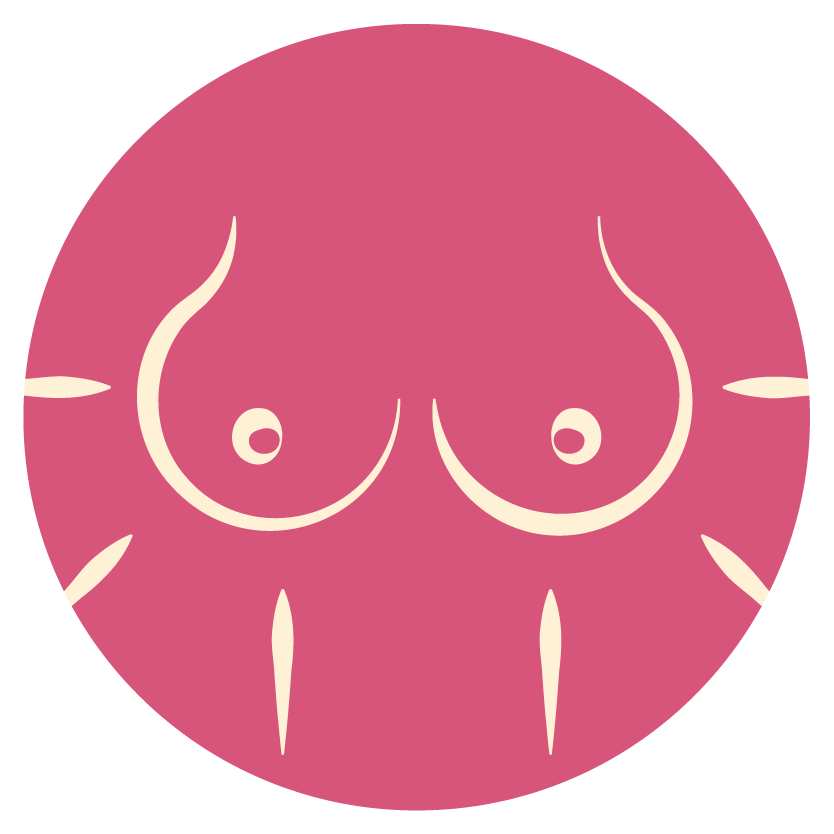
During pregnancy, your breasts undergo significant changes in preparation for breastfeeding. These changes may include increased size, tenderness, and darkening of the nipples and areolas. Wearing a supportive bra and using moisturizers or oils can help alleviate discomfort. If you notice unusual changes in your breasts, such as lumps or discharge, consult your healthcare provider for evaluation and reassurance.
Read more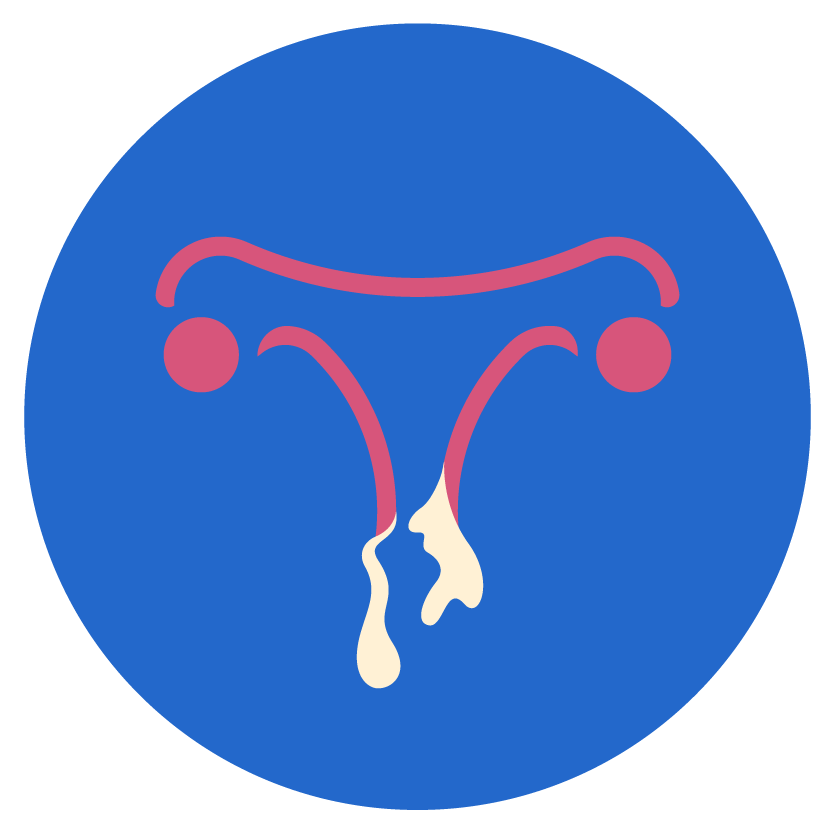
During pregnancy, hormonal changes can lead to an increase in vaginal discharge, known as leukorrhea. This discharge is usually thin, milky, and odorless. However, if you notice changes in color, consistency, or smell, or if you experience itching or irritation, consult your healthcare provider to rule out any infections or other concerns.
Read more
Pregnancy can bring a mix of emotions, from joy and excitement to anxiety and worry. It's normal to feel conflicting emotions as you navigate the changes and uncertainties of pregnancy. Talking openly with your partner, friends, or healthcare provider can help you process your feelings and find support.
Read more
Your sense of smell may become heightened during pregnancy. This is due to the increased production of hormones, such as estrogen and progesterone. You may be more sensitive to smells, both good and bad. You may also find that certain smells make you feel nauseous or queasy.
Read more
Some pregnant women experience a metallic taste in their mouth, especially during the first trimester. This can be caused by hormonal changes or changes in taste and smell sensitivity. Drinking plenty of water, eating small, frequent meals, and using sugar-free gum or candies can help alleviate the metallic taste. If the taste persists or worsens, consult your healthcare provider.
Read more
Many pregnant women experience morning sickness, characterized by nausea and vomiting, especially during the first trimester. While it's called "morning sickness," it can occur at any time of the day. Eating small, frequent meals, avoiding triggers, and staying hydrated can help manage symptoms. If morning sickness is severe or persistent, consult your healthcare provider for guidance on managing symptoms and preventing dehydration.
Read more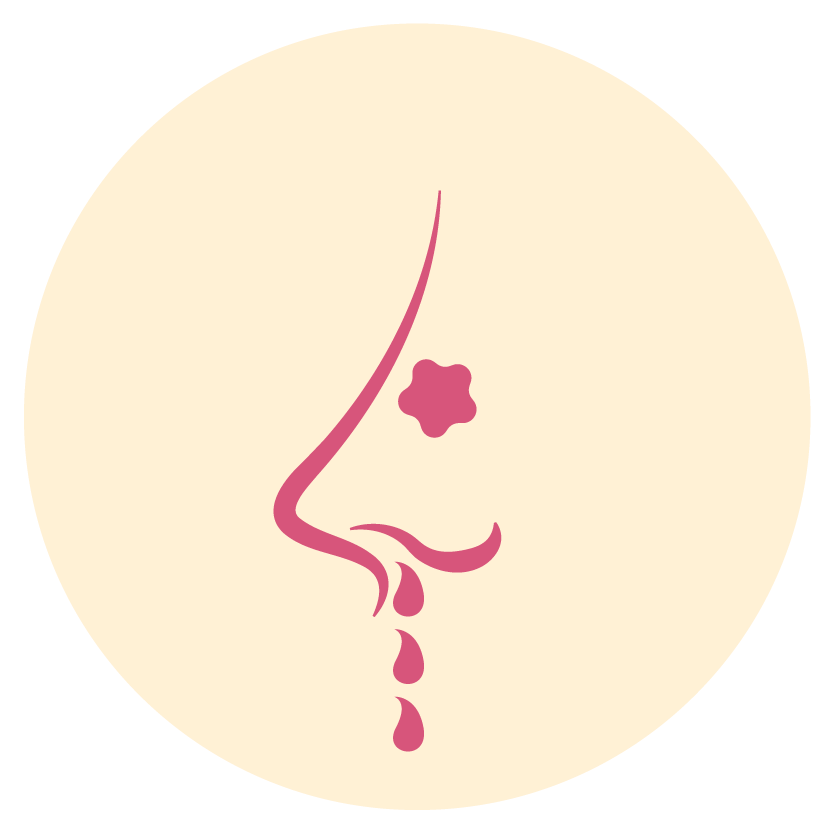
Nosebleeds are common during pregnancy due to increased blood volume and hormonal changes. To help stop a nosebleed, sit upright and lean forward, pinching your nostrils together for several minutes. If nosebleeds are frequent or severe, consult your healthcare provider for advice.
Read moreAsk BabySteps AI and get guidance based on your pregnancy stage.
Learn more about what to expect with expert-guided videos and articles curated for this stage of your pregnancy.
Join thousands of parents using BabySteps to track symptoms, milestones, appointments, and baby development in one place.