
Open BabySteps App
Continue your parenting journey in the official BabySteps app. Open or download it below.
Discover what happens during week 21 of second trimester. Baby development, body changes, symptoms, and a weekly checklist.
This week brings in a rush of energy and emotions alike. Rapid developments are expected to take this journey on a whole new level. As the responsibilities and decisions weigh heavy on your mind, don’t forget to hit pause every now and then to cherish what you have and what you are becoming.
Second Trimester is a time of rapid change — for both you and your baby. Every pregnancy is unique, and the information below will help you understand what's happening and how to prepare for the weeks ahead.

Your uterus continues rising upward, placing more pressure on the stomach, lungs, and bladder. Increased blood flow and fluid retention continue supporting the placenta and growing baby. Your heart is now pumping significantly more blood than before pregnancy.
You may notice stronger kicks, heartburn, or feeling full more quickly after eating. Leg cramps or mild swelling can also become more common around this stage.
Your baby regularly swallows small amounts of amniotic fluid, helping the digestive system practice and mature. Movements continue becoming stronger, and sleep-wake cycles slowly begin forming. The eyebrows and eyelids are now more developed.

Each week brings new things to prepare for. Here's what expecting parents during week 21 typically track in the BabySteps Companion app. Items are sorted by priority so you can focus on what matters most.
Sign up for childbirth classes and other learning opportunities. These classes provide essential information and skills to empower you for a positive birth experience and confident parenting. Consider connecting with our Childbirth expert in the specialist section for a free initial consultation.
Take a proactive approach by reviewing your finances. Evaluating your budget and making any necessary adjustments ensures financial readiness for your growing family. Consider connecting with our finance expert in the specialist section for a free initial consultation.
Begin planning and designing the baby's nursery. Creating a comfortable and functional space nurtures a sense of anticipation and prepares for your baby's arrival.
Consider searching for a doula to provide support during labor and childbirth. Doula support can enhance your birthing experience by offering emotional and physical guidance.
If you have older children, contemplate offering them big brother or big sister training. Preparing siblings for the baby's arrival fosters a positive family dynamic during this transitional period.
Get reminders, mark items as done, and never miss a step.
Get week-by-week guidance tailored to your role, health & history, symptoms, and stage of pregnancy.
Every pregnancy is different, but these are some of the most common sensations women report during week 21. Your experience is valid — whether you feel all of these or none at all.
.png)
Mild abdominal discomfort is common during pregnancy due to stretching ligaments, growing uterus, and digestive changes. However, if abdominal pain is severe, persistent, or accompanied by other symptoms like bleeding or fever, consult your healthcare provider for evaluation and guidance.
Read more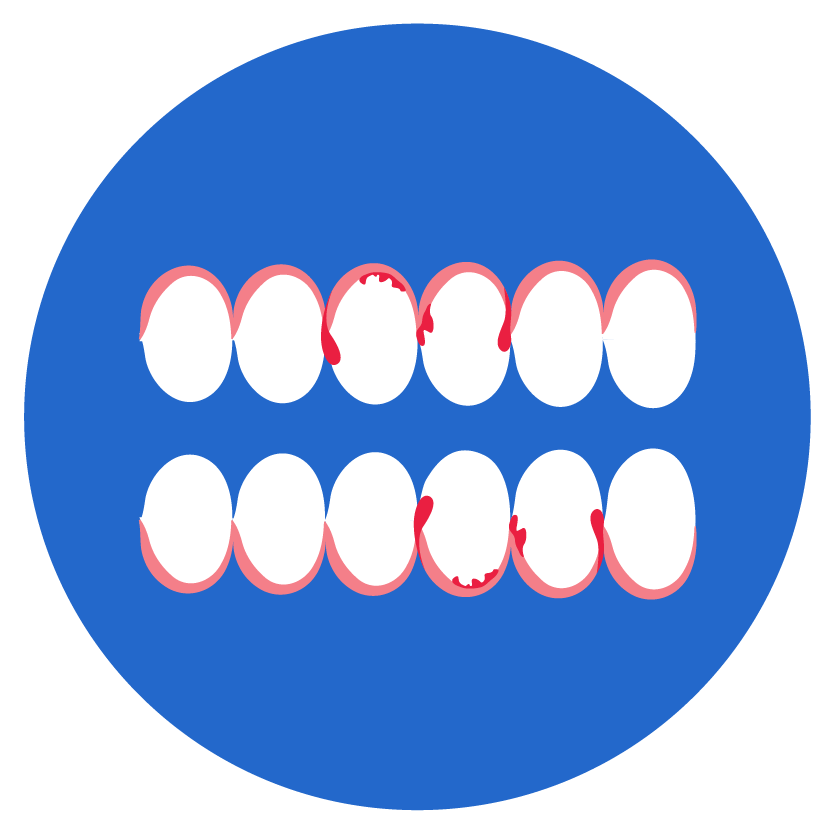
During pregnancy, hormonal changes can increase blood flow to the gums, making them more susceptible to bleeding and inflammation, a condition known as pregnancy gingivitis. To maintain oral health, brush and floss regularly, and schedule regular dental check-ups. If you experience persistent or excessive bleeding gums, consult your dentist or healthcare provider for evaluation and advice.
Read more
Braxton Hicks contractions are intermittent, painless contractions of the uterus that occur throughout pregnancy. They are often described as a tightening or hardening of the abdomen and are considered a normal part of preparing the uterus for childbirth. However, if contractions become frequent, intense, or are accompanied by other symptoms like vaginal bleeding or pelvic pressure, consult your healthcare provider.
Read more
Headaches are common during pregnancy due to hormonal changes, increased blood volume, and changes in blood circulation. Managing stress, staying hydrated, and getting regular exercise can help prevent headaches. However, if headaches are severe, persistent, or accompanied by other symptoms like vision changes or swelling, consult your healthcare provider for evaluation and guidance.
Read more
Pregnancy can sometimes bring on itchy skin due to stretching and hormonal changes. While mild itching is normal, severe or persistent itching could signal a liver problem called cholestasis. If you're experiencing intense itching, especially on the palms of your hands or the soles of your feet, consult your doctor.
Read more
This is a common symptom in the second trimester due to the decreased levels of calcium. Many pregnant women experience leg cramps, especially at night. These cramps can be caused by changes in circulation and pressure on nerves from your growing uterus. Stretching, staying hydrated, and gentle exercise can help alleviate discomfort. If leg cramps become severe or frequent, consult your doctor.
Read more
Breast tenderness is a common early sign of pregnancy, caused by hormonal changes and increased blood flow to the breasts. Wearing a supportive bra and applying warm compresses can help alleviate discomfort. If breast tenderness is severe or accompanied by unusual changes, consult your doctor for reassurance and advice.
Read moreAsk BabySteps AI and get guidance based on your pregnancy stage.
Learn more about what to expect with expert-guided videos and articles curated for this stage of your pregnancy.
Join thousands of parents using BabySteps to track symptoms, milestones, appointments, and baby development in one place.