
Open BabySteps App
Continue your parenting journey in the official BabySteps app. Open or download it below.
Discover what happens during week 23 of second trimester. Baby development, body changes, symptoms, and a weekly checklist.
Almost two-thirds of this wonderful journey is behind you! We bet it feels astonishing as well as overwhelming, but hey look at you doing so well week-after-week! This is the perfect time to start preparing for postpartum recovery and to seek support or resources as needed. But don’t forget to have fun while you’re at it - write some letters to your baby and feel them kick as you shine a flashlight on the belly.
Second Trimester is a time of rapid change — for both you and your baby. Every pregnancy is unique, and the information below will help you understand what's happening and how to prepare for the weeks ahead.

Your uterus expands higher into the abdomen, placing added pressure on the diaphragm, stomach, and pelvic floor. Increased circulation continues supporting both the placenta and your baby’s rapid growth. Your body is now working significantly harder, even during rest.
You may feel more shortness of breath, stronger kicks, or difficulty finding comfortable sleeping positions. Swelling in the feet or ankles may also begin appearing more often after long days.
Your baby can now hear external sounds more clearly, including voices and music. The lungs continue developing important air sacs, while movements become stronger and more rhythmic. The skin remains thin and delicate but continues slowly building protective fat layers.

Each week brings new things to prepare for. Here's what expecting parents during week 23 typically track in the BabySteps Companion app. Items are sorted by priority so you can focus on what matters most.
If needed, schedule a consultation with an ophthalmologist to ensure your eye health during pregnancy.
Find a local parent group to join now or in the coming weeks. Connecting with fellow parents provides a supportive community as you navigate parenthood.
Start preparing your body for labor with exercises and relaxation techniques. Engaging in activities like prenatal yoga and practicing breathing exercises enhances your physical and mental readiness.
Prioritize your family's future by writing or updating your will. Clarify your wishes and ensure that your loved ones are taken care of.
Confirm that your life insurance policies are in order and up to date, providing financial security for your growing family.
Get reminders, mark items as done, and never miss a step.
Get week-by-week guidance tailored to your role, health & history, symptoms, and stage of pregnancy.
Every pregnancy is different, but these are some of the most common sensations women report during week 23. Your experience is valid — whether you feel all of these or none at all.
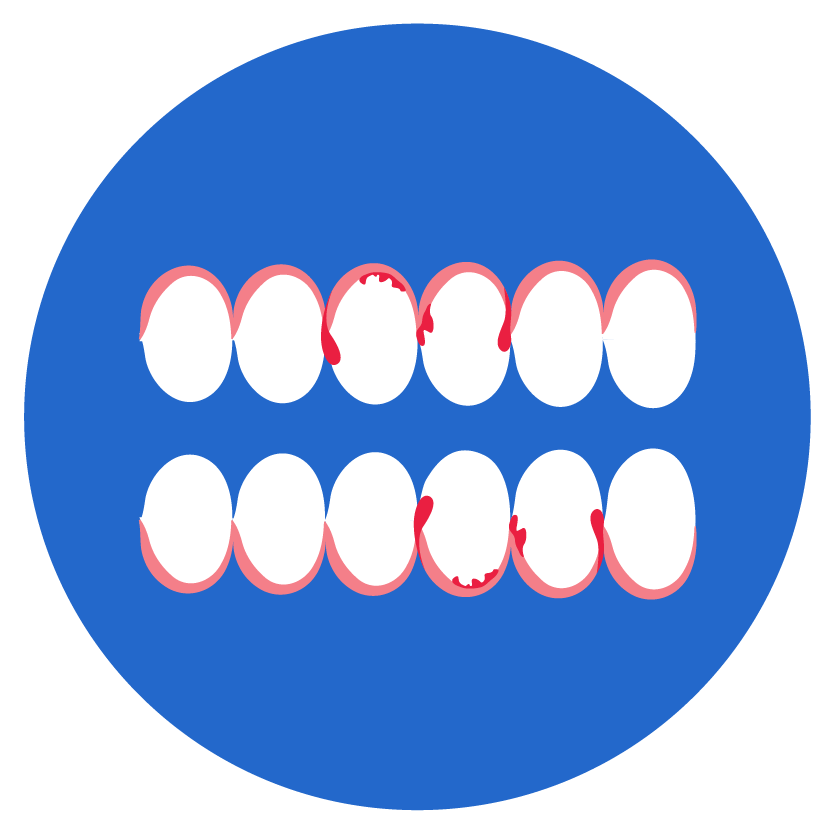
During pregnancy, hormonal changes can increase blood flow to the gums, making them more susceptible to bleeding and inflammation, a condition known as pregnancy gingivitis. To maintain oral health, brush and floss regularly, and schedule regular dental check-ups. If you experience persistent or excessive bleeding gums, consult your dentist or healthcare provider for evaluation and advice.
Read more
Blurred vision or seeing spots, especially accompanied by headaches, could be signs of high blood pressure or preeclampsia, a serious pregnancy complication. If you experience these symptoms, particularly in the second or third trimester, consult your healthcare provider immediately.
Read more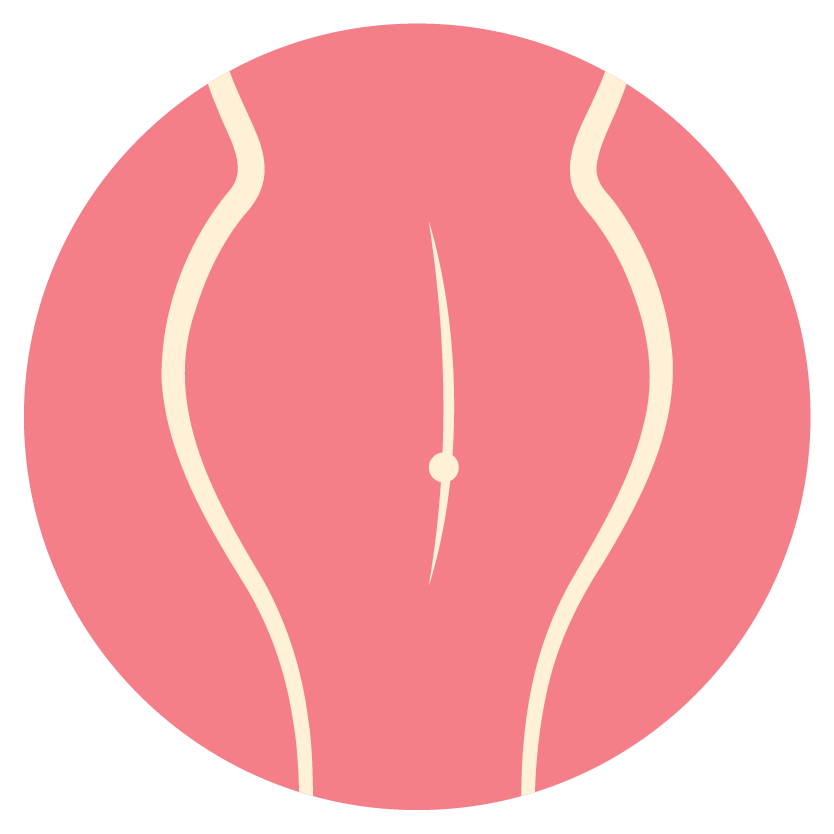
Linea nigra is a dark line that appears vertically on the abdomen during pregnancy, typically in the second trimester. This pigmentation change is caused by hormonal fluctuations and increased melanin production. While linea nigra is harmless and usually fades after childbirth, wearing sunscreen and avoiding prolonged sun exposure can help prevent further darkening.
Read more
Hormonal fluctuations during pregnancy can lead to mood swings, characterized by sudden changes in emotions, ranging from happiness to sadness or irritability. It's essential to communicate openly with your partner and healthcare provider about your feelings and concerns. Engaging in relaxation techniques, maintaining a healthy lifestyle, and seeking support from loved ones can help manage mood swings during pregnancy.
Read more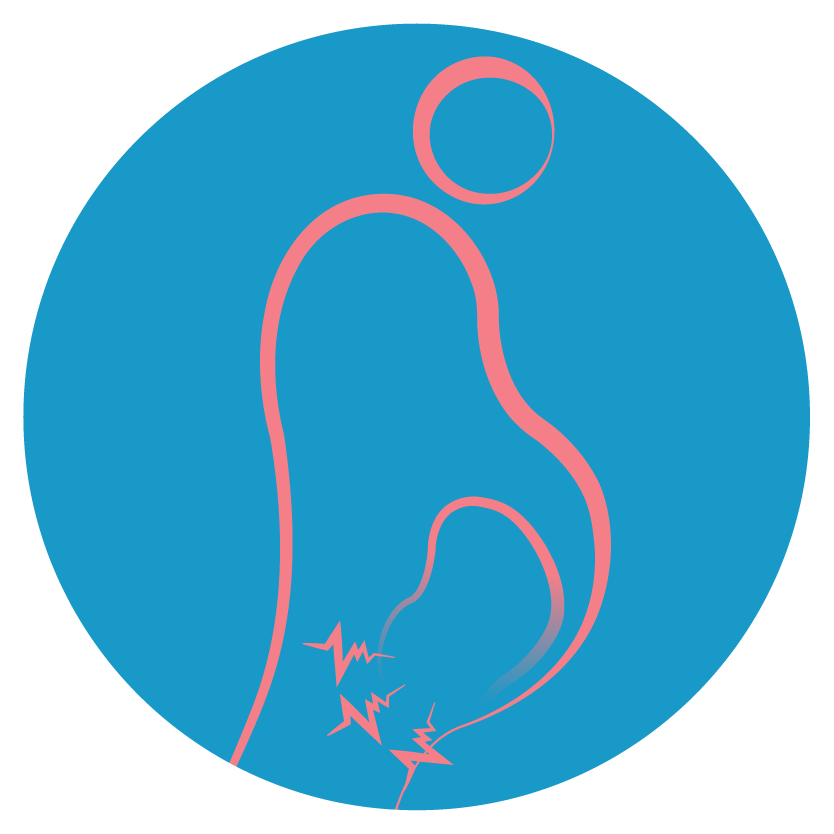
The round ligaments are two bands of tissue that support the uterus. As your uterus grows, the round ligaments can stretch, which can cause pain in the lower abdomen or groin area. To relieve round ligament pain, try changing positions, practicing gentle stretches, and applying heat or cold packs. However, if pain is severe or persistent, consult your healthcare provider.
Read moreAsk BabySteps AI and get guidance based on your pregnancy stage.
Learn more about what to expect with expert-guided videos and articles curated for this stage of your pregnancy.
Join thousands of parents using BabySteps to track symptoms, milestones, appointments, and baby development in one place.