
Open BabySteps App
Continue your parenting journey in the official BabySteps app. Open or download it below.
Discover what happens during week 31 of third trimester. Baby development, body changes, symptoms, and a weekly checklist.
Week 31 implies an arduous time in terms of the body and the mind alike. While the unpleasant symptoms are already somewhat familiar, you may face certain new challenges in the form of decision making for your little bun. The best approach is to seek help from trusted family and friends, do your research, listen to your body, have a thorough discussion and go with what YOU feel is best. Don’t worry, your parental instincts will make the right choice anyway. 9 weeks left for your 9 month-journey to culminate!
Third Trimester is a time of rapid change — for both you and your baby. Every pregnancy is unique, and the information below will help you understand what's happening and how to prepare for the weeks ahead.

Your uterus continues stretching upward and outward, placing increased pressure on the ribs, bladder, pelvis, and lower back. Fluid retention and circulation demands remain elevated as the placenta supports continued rapid development. Your body is now carrying significant additional weight every day.
You may feel more pelvic heaviness, pressure while walking, or discomfort changing sleeping positions. Braxton Hicks contractions may also become more noticeable around now.
The lungs continue practicing breathing motions, while the digestive system becomes more developed and coordinated. Body fat increases steadily, helping your baby look less wrinkled and more proportionate. Movement patterns may begin feeling more rhythmic and familiar.

Each week brings new things to prepare for. Here's what expecting parents during week 31 typically track in the BabySteps Companion app. Items are sorted by priority so you can focus on what matters most.
Sign up for a breastfeeding class if that's your milk-drinking route. You're about to become a milk maestro – capes and aprons welcome! Consider getting in touch with our Lactation expert from the specialist section.
Gather the parenting council (aka you and your partner) and hash out those fundamental decisions: breastfeeding, sleeping, and all things baby magic.
Get your parental leave game on point. It's like setting up your vacation responder for the most important adventure of your life.
Start packing your hospital bag with essentials for both you and your baby. Being prepared ensures a comfortable and stress-free hospital stay.
Channel your inner interior designer and get that nursery set up. It's like creating a mini-kingdom fit for your tiny royal.
Get reminders, mark items as done, and never miss a step.
Get week-by-week guidance tailored to your role, health & history, symptoms, and stage of pregnancy.
Every pregnancy is different, but these are some of the most common sensations women report during week 31. Your experience is valid — whether you feel all of these or none at all.
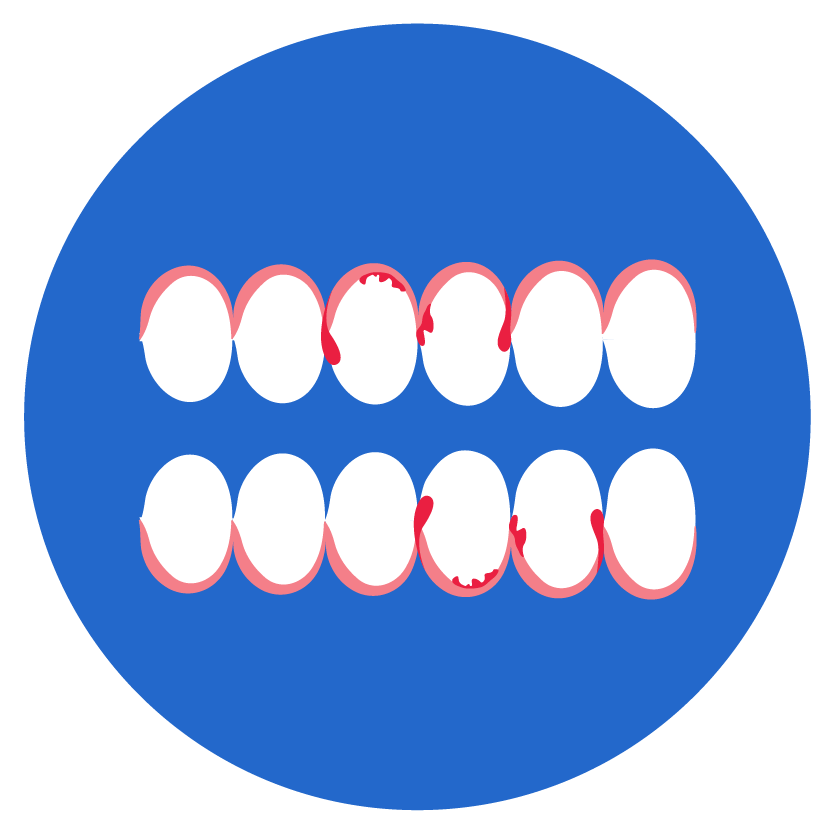
During pregnancy, hormonal changes can increase blood flow to the gums, making them more susceptible to bleeding and inflammation, a condition known as pregnancy gingivitis. To maintain oral health, brush and floss regularly, and schedule regular dental check-ups. If you experience persistent or excessive bleeding gums, consult your dentist or healthcare provider for evaluation and advice.
Read more
Headaches are common during pregnancy due to hormonal changes, increased blood volume, and changes in blood circulation. Managing stress, staying hydrated, and getting regular exercise can help prevent headaches. However, if headaches are severe, persistent, or accompanied by other symptoms like vision changes or swelling, consult your healthcare provider for evaluation and guidance.
Read more
This is a common symptom in the second trimester due to the decreased levels of calcium. Many pregnant women experience leg cramps, especially at night. These cramps can be caused by changes in circulation and pressure on nerves from your growing uterus. Stretching, staying hydrated, and gentle exercise can help alleviate discomfort. If leg cramps become severe or frequent, consult your doctor.
Read more
Hormonal fluctuations during pregnancy can lead to mood swings, characterized by sudden changes in emotions, ranging from happiness to sadness or irritability. It's essential to communicate openly with your partner and healthcare provider about your feelings and concerns. Engaging in relaxation techniques, maintaining a healthy lifestyle, and seeking support from loved ones can help manage mood swings during pregnancy.
Read more
Sciatica, characterized by pain that radiates along the sciatic nerve from the lower back down the back of one leg, can occur during pregnancy due to pressure on the nerve from the growing uterus. To relieve sciatic pain, practice gentle stretching exercises, use heat or cold packs, and maintain good posture. If sciatica is severe or persistent, consult your healthcare provider for evaluation and guidance on managing symptoms safely during pregnancy.
Read more
Shortness of breath is common during pregnancy due to hormonal changes, increased blood volume, and pressure on the diaphragm from the growing uterus. To alleviate shortness of breath, practice good posture, avoid lying flat on your back, and take breaks as needed. If shortness of breath is severe or persistent, consult your healthcare provider for evaluation and guidance on managing symptoms safely during pregnancy.
Read moreAsk BabySteps AI and get guidance based on your pregnancy stage.
Learn more about what to expect with expert-guided videos and articles curated for this stage of your pregnancy.
Join thousands of parents using BabySteps to track symptoms, milestones, appointments, and baby development in one place.