
Open BabySteps App
Continue your parenting journey in the official BabySteps app. Open or download it below.
Discover what happens during week 7 of first trimester. Baby development, body changes, symptoms, and a weekly checklist.
As you approach the two-month mark, you may be feeling more pregnant now. The mother’s body expands to make space for the little one who enters a major growth spurt. Yet another week is here to test the exhausted, yet strong, mother who may experience rising symptoms. Rest assured, mindful dates and pondering baby names are guaranteed ways to remind yourselves of the bright side of things.
First Trimester is a time of rapid change — for both you and your baby. Every pregnancy is unique, and the information below will help you understand what's happening and how to prepare for the weeks ahead.

Your blood volume starts increasing to support the pregnancy, placing more demand on your energy levels. Progesterone also slows digestion, which can contribute to bloating and discomfort. Even if the pregnancy still isn’t visible externally, your body is already undergoing major internal adaptation.
This week can feel physically demanding, especially if nausea or exhaustion intensifies. You may also notice stronger cravings, food aversions, or emotional sensitivity as hormone levels peak.
The brain continues developing rapidly this week. Facial features like the eyes, nostrils, and mouth begin taking shape, while arms and legs grow longer and more defined. Tiny joints begin forming, and early muscle development allows subtle spontaneous movement.

Each week brings new things to prepare for. Here's what expecting parents during week 7 typically track in the BabySteps Companion app. Items are sorted by priority so you can focus on what matters most.
Educate yourself about the prenatal tests you can expect. Understanding the purpose and procedures empowers you to make informed decisions for you and your baby's well-being.
With your doctor's approval, begin prenatal exercises tailored to your health. Prenatal fitness can enhance your well-being and ease pregnancy discomforts.
Amid the excitement, make time for quality moments with your partner. Plan a relaxing date to connect and cherish each other's company before your family expands.
Update your skincare and beauty routine with pregnancy-safe products. Prioritize products without harmful chemicals to care for your skin while accommodating its changes.
Some expecting moms wait until after the first trimester, when the risk of miscarriage drops, while others announce it right away. Some wait to tell their co-workers or boss to avoid being treated differently at work, while others want their workplace buds to understand why they're a little green around the gills. Also consider how you'll make the news public – and get creative inspiration from other parents.
Get reminders, mark items as done, and never miss a step.
Get week-by-week guidance tailored to your role, health & history, symptoms, and stage of pregnancy.
Every pregnancy is different, but these are some of the most common sensations women report during week 7. Your experience is valid — whether you feel all of these or none at all.
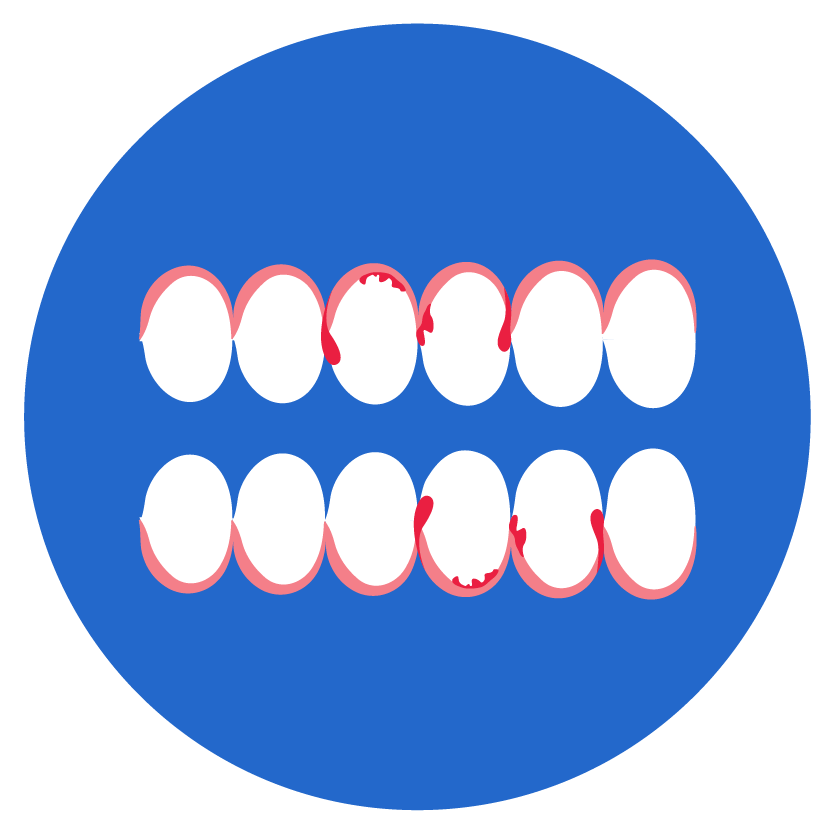
During pregnancy, hormonal changes can increase blood flow to the gums, making them more susceptible to bleeding and inflammation, a condition known as pregnancy gingivitis. To maintain oral health, brush and floss regularly, and schedule regular dental check-ups. If you experience persistent or excessive bleeding gums, consult your dentist or healthcare provider for evaluation and advice.
Read more
Constipation is a common discomfort during pregnancy, often due to hormonal changes, pressure from the growing uterus, and iron supplements. Eating a high-fiber diet, staying hydrated, and getting regular exercise can help prevent constipation. If constipation persists or is accompanied by severe pain, bleeding, or other concerning symptoms, consult your healthcare provider for evaluation.
Read more
Some pregnant women experience increased saliva production, known as hypersalivation or ptyalism. This can be caused by hormonal changes, nausea, or acid reflux. While excessive saliva is usually harmless, it can be bothersome. Drinking plenty of fluids, chewing sugar-free gum, and avoiding acidic or spicy foods may help reduce saliva production. If excessive saliva persists or interferes with eating or swallowing, consult your healthcare provider for evaluation and advice.
Read more
Heartburn, or acid indigestion, is common during pregnancy due to hormonal changes and pressure from the growing uterus on the stomach. To help relieve heartburn, eat small, frequent meals, avoid spicy or acidic foods, and sit up after eating. If heartburn persists or becomes severe, consult your healthcare provider for advice on safe treatment options during pregnancy.
Read more
Your sense of smell may become heightened during pregnancy. This is due to the increased production of hormones, such as estrogen and progesterone. You may be more sensitive to smells, both good and bad. You may also find that certain smells make you feel nauseous or queasy.
Read moreAsk BabySteps AI and get guidance based on your pregnancy stage.
Learn more about what to expect with expert-guided videos and articles curated for this stage of your pregnancy.
Join thousands of parents using BabySteps to track symptoms, milestones, appointments, and baby development in one place.