
Open BabySteps App
Continue your parenting journey in the official BabySteps app. Open or download it below.
Understand changes in your body, differentiate normal gestational events from red flags, and access clinically approved self-care insights.
Constipation is a common discomfort during pregnancy, often due to hormonal changes, pressure from the growing uterus, and iron supplements. Eating a high-fiber diet, staying hydrated, and getting regular exercise can help prevent constipation. If constipation persists or is accompanied by severe pain, bleeding, or other concerning symptoms, consult your healthcare provider for evaluation.
Dizziness or lightheadedness can occur during pregnancy due to changes in blood pressure, blood sugar levels, and circulation. To help prevent dizziness, avoid standing up too quickly, stay hydrated, and eat regular, balanced meals. If you experience frequent or severe dizziness, lie down on your side and consult your healthcare provider for evaluation and guidance.
Linea nigra is a dark line that appears vertically on the abdomen during pregnancy, typically in the second trimester. This pigmentation change is caused by hormonal fluctuations and increased melanin production. While linea nigra is harmless and usually fades after childbirth, wearing sunscreen and avoiding prolonged sun exposure can help prevent further darkening.
Lower back pain is common during pregnancy due to the added weight and changes in posture as your baby grows. To relieve lower back pain, practice good posture, wear supportive shoes, and use pillows for added lumbar support when sitting or sleeping. Gentle exercise, such as prenatal yoga or swimming, may also help alleviate discomfort.
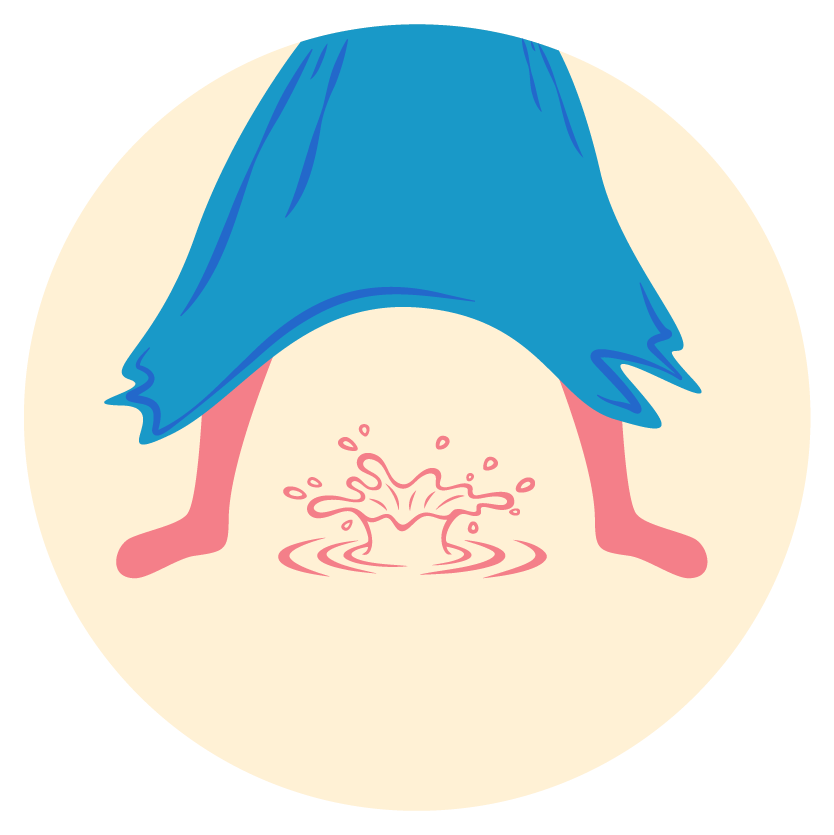
The rupture of the amniotic sac, known as the water breaking, is a sign that labor may soon begin. This can happen as a gush of fluid or a trickle. If you suspect your water has broken, contact your healthcare provider or go to the hospital for evaluation, especially if you're near your due date or experiencing contractions.