
Open BabySteps App
Continue your parenting journey in the official BabySteps app. Open or download it below.
Discover what happens during week 37 of third trimester. Baby development, body changes, symptoms, and a weekly checklist.
Allow yourselves to go with the flow, you deserve to cut yourself some slack! We are sure you are going to be alert, responsible parents when your little starburst makes its much-awaited entry. Take ample rest, practise self-care and talk it out with your partner.
Third Trimester is a time of rapid change — for both you and your baby. Every pregnancy is unique, and the information below will help you understand what's happening and how to prepare for the weeks ahead.

Your uterus remains large and heavy, placing ongoing pressure on the pelvis, bladder, hips, and lower back. Hormonal changes continue preparing the cervix and surrounding muscles for labor. Your body is now prioritizing readiness over growth alone.
You may feel stronger pelvic heaviness, bursts of energy followed by exhaustion, or increasing pressure below the abdomen. Sleep often becomes lighter, more interrupted, and less comfortable around this stage.
Your baby continues refining breathing, swallowing, and temperature regulation skills needed after birth. Body fat keeps increasing, giving the skin a smoother and fuller appearance. The brain and lungs still continue important final development this week.

Each week brings new things to prepare for. Here's what expecting parents during week 37 typically track in the BabySteps Companion app. Items are sorted by priority so you can focus on what matters most.
You can expect to see your specialist every week until your little one is in your arms. At these visits, your doctor will check your weight, blood pressure, and urine. They will also listen to your baby's heartbeat and do ultrasounds to check the baby's development.
Choose the cutest coming-home outfit for your little star. They're about to make their grand entrance in style!
Create a cozy and safe sleeping space for your baby. Whether it's a bedside bassinet or crib, it's where sweet dreams will begin.
Plan a special family movie night to make your elder siblings feel included and celebrated during this exciting time.
Get reminders, mark items as done, and never miss a step.
Get week-by-week guidance tailored to your role, health & history, symptoms, and stage of pregnancy.
Every pregnancy is different, but these are some of the most common sensations women report during week 37. Your experience is valid — whether you feel all of these or none at all.

Pregnancy can bring a mix of emotions, from joy and excitement to anxiety and worry. It's normal to feel conflicting emotions as you navigate the changes and uncertainties of pregnancy. Talking openly with your partner, friends, or healthcare provider can help you process your feelings and find support.
Read more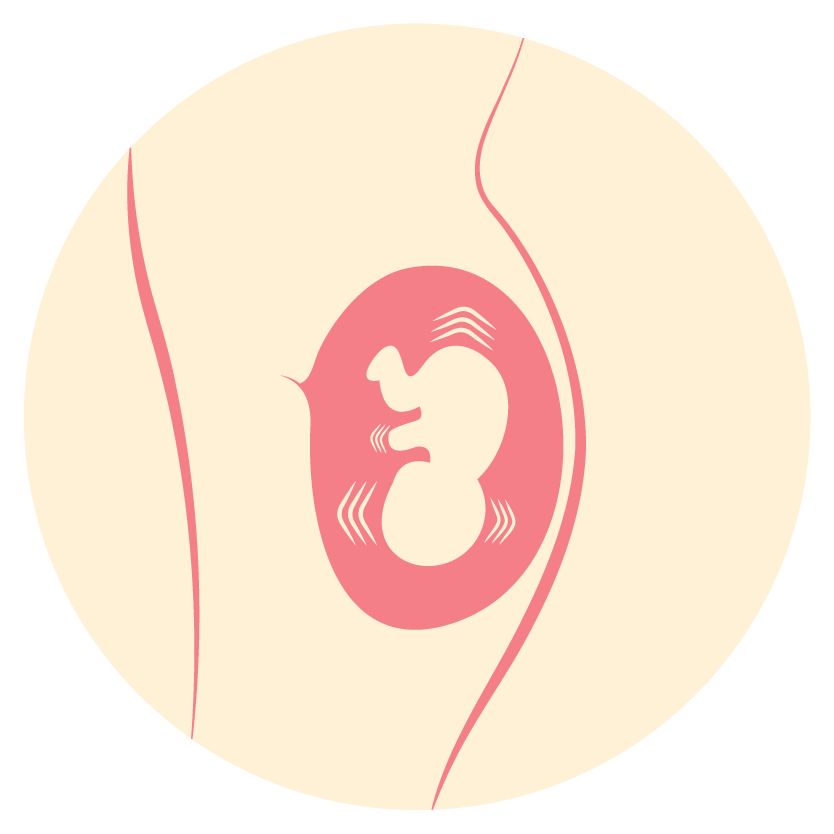
Feeling your baby move, also known as quickening, is an exciting milestone in pregnancy. Most women begin to feel movement between 18 and 25 weeks gestation, though it can vary. These movements may feel like flutters, kicks, or rolls and can become more pronounced as your pregnancy progresses. If you have concerns about fetal movement patterns, consult your healthcare provider for reassurance.
Read more
Headaches are common during pregnancy due to hormonal changes, increased blood volume, and changes in blood circulation. Managing stress, staying hydrated, and getting regular exercise can help prevent headaches. However, if headaches are severe, persistent, or accompanied by other symptoms like vision changes or swelling, consult your healthcare provider for evaluation and guidance.
Read more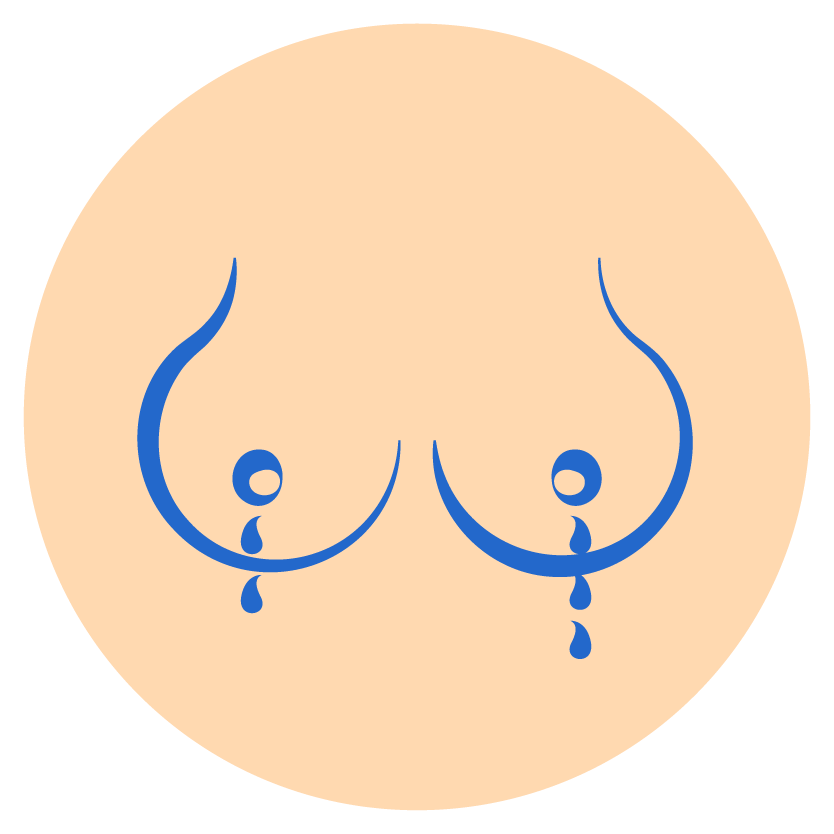
You may start to leak milk from your breasts. This is called colostrum, and it is a good sign that your body is preparing for breastfeeding. Wearing nursing pads or breast pads can help absorb any leakage. If you experience excessive leakage or have concerns about breast changes, consult your healthcare provider.
Read more
Breast tenderness is a common early sign of pregnancy, caused by hormonal changes and increased blood flow to the breasts. Wearing a supportive bra and applying warm compresses can help alleviate discomfort. If breast tenderness is severe or accompanied by unusual changes, consult your doctor for reassurance and advice.
Read moreAsk BabySteps AI and get guidance based on your pregnancy stage.
Learn more about what to expect with expert-guided videos and articles curated for this stage of your pregnancy.
Join thousands of parents using BabySteps to track symptoms, milestones, appointments, and baby development in one place.