
Open BabySteps App
Continue your parenting journey in the official BabySteps app. Open or download it below.
Discover what happens during week 40 of third trimester. Baby development, body changes, symptoms, and a weekly checklist.
You did it! You are now officially at the end of your pregnancy! All of your resilience and efforts will finally bear fruit, an adorable one at that. This is a huge event in your life, probably the most significant and we know how eager, nervous and full of love you are! It is natural for you to be confused or seek help at this moment, and that is precisely what we are here for. Let us be your rock, while you be each other’s. We wish you and mini-you a bright, invigorating journey ahead!
Third Trimester is a time of rapid change — for both you and your baby. Every pregnancy is unique, and the information below will help you understand what's happening and how to prepare for the weeks ahead.

Your uterus is at or near its largest size, placing significant pressure on the pelvis, bladder, ribs, and lower back. Hormones continue preparing the cervix, muscles, and joints for labor. Your body is no longer focused on growth alone—it’s preparing for delivery.
You may notice stronger contractions, pelvic heaviness, lower back pressure, or changes in discharge. Emotionally, this stage can feel exciting, exhausting, surreal, or all at once.
Your baby’s lungs are mature and ready for breathing outside the womb. The brain continues developing rapidly, and movements remain important even though space inside the uterus is now very limited. Most babies have settled lower into the pelvis in preparation for birth.

Each week brings new things to prepare for. Here's what expecting parents during week 40 typically track in the BabySteps Companion app. Items are sorted by priority so you can focus on what matters most.
Discover what happens after birth, from baby's first moments to your initial recovery. It's all part of the magical journey.
You can expect to see your specialist every week until your little one is in your arms. At these visits, your doctor will check your weight, blood pressure, and urine. They will also listen to your baby's heartbeat and do ultrasounds to check the baby's development.
Learn about your body's changes after birth – it's like a whole new adventure unfolding.
Get reminders, mark items as done, and never miss a step.
Get week-by-week guidance tailored to your role, health & history, symptoms, and stage of pregnancy.
Every pregnancy is different, but these are some of the most common sensations women report during week 40. Your experience is valid — whether you feel all of these or none at all.
Constipation is a common discomfort during pregnancy, often due to hormonal changes, pressure from the growing uterus, and iron supplements. Eating a high-fiber diet, staying hydrated, and getting regular exercise can help prevent constipation. If constipation persists or is accompanied by severe pain, bleeding, or other concerning symptoms, consult your healthcare provider for evaluation.
Read more
Dizziness or lightheadedness can occur during pregnancy due to changes in blood pressure, blood sugar levels, and circulation. To help prevent dizziness, avoid standing up too quickly, stay hydrated, and eat regular, balanced meals. If you experience frequent or severe dizziness, lie down on your side and consult your healthcare provider for evaluation and guidance.
Read more
Linea nigra is a dark line that appears vertically on the abdomen during pregnancy, typically in the second trimester. This pigmentation change is caused by hormonal fluctuations and increased melanin production. While linea nigra is harmless and usually fades after childbirth, wearing sunscreen and avoiding prolonged sun exposure can help prevent further darkening.
Read more
Lower back pain is common during pregnancy due to the added weight and changes in posture as your baby grows. To relieve lower back pain, practice good posture, wear supportive shoes, and use pillows for added lumbar support when sitting or sleeping. Gentle exercise, such as prenatal yoga or swimming, may also help alleviate discomfort.
Read more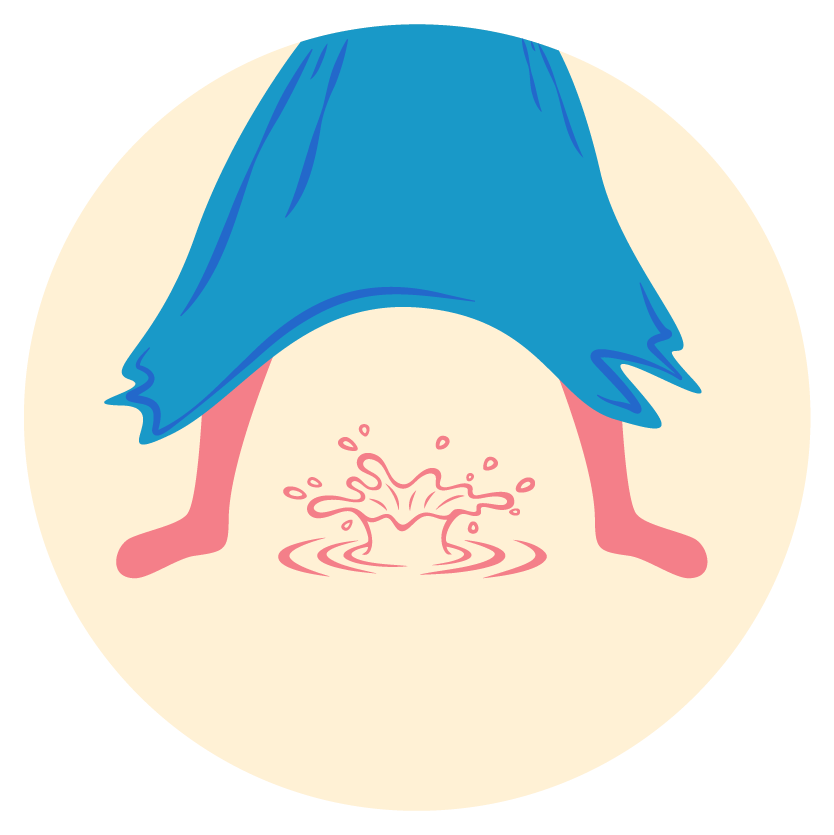
The rupture of the amniotic sac, known as the water breaking, is a sign that labor may soon begin. This can happen as a gush of fluid or a trickle. If you suspect your water has broken, contact your healthcare provider or go to the hospital for evaluation, especially if you're near your due date or experiencing contractions.
Read moreAsk BabySteps AI and get guidance based on your pregnancy stage.
Learn more about what to expect with expert-guided videos and articles curated for this stage of your pregnancy.
Join thousands of parents using BabySteps to track symptoms, milestones, appointments, and baby development in one place.