
Open BabySteps App
Continue your parenting journey in the official BabySteps app. Open or download it below.
Discover what happens during week 6 of first trimester. Baby development, body changes, symptoms, and a weekly checklist.
Despite the baby being the size of a tiny grain of rice, the changes it brings with it are as big as a mountain. You are entering a phase of significant changes, and we understand how it can cause you trouble and worry. However, with some extra rest and a few precautions, there is no mountain you cannot climb! (Not literally though, please!)
First Trimester is a time of rapid change — for both you and your baby. Every pregnancy is unique, and the information below will help you understand what's happening and how to prepare for the weeks ahead.

Hormone levels rise quickly now, especially hCG and progesterone, which help maintain the pregnancy and support development. Your uterus also begins expanding to accommodate rapid growth. This is often when pregnancy symptoms become more noticeable for the first time.
Nausea, fatigue, food aversions, stronger smells, or emotional sensitivity may begin increasing now. Even though the pregnancy still isn’t visible externally, your body is already working at full capacity behind the scenes.
Your baby’s heart begins beating this week and starts circulating blood through the tiny developing body. The brain and spinal cord continue forming rapidly, while small buds appear that will later become arms and legs. Even at this early stage, the body is beginning to organise into recognisable systems.

Each week brings new things to prepare for. Here's what expecting parents during week 6 typically track in the BabySteps Companion app. Items are sorted by priority so you can focus on what matters most.
Capture the moments and emotions of your pregnancy by starting a dedicated journal. Documenting your thoughts, experiences, and milestones allows you to reflect on this transformative journey. From cravings and dreams to baby's kicks, your journal becomes a cherished keepsake for you and your growing family. This creative outlet not only offers a way to express yourself but also preserves the memories of your pregnancy for years to come.
Engage in a heartwarming conversation with your partner about potential baby names. Share your preferences and listen to theirs to explore options that resonate with both of you.
Get reminders, mark items as done, and never miss a step.
Get week-by-week guidance tailored to your role, health & history, symptoms, and stage of pregnancy.
Every pregnancy is different, but these are some of the most common sensations women report during week 6. Your experience is valid — whether you feel all of these or none at all.
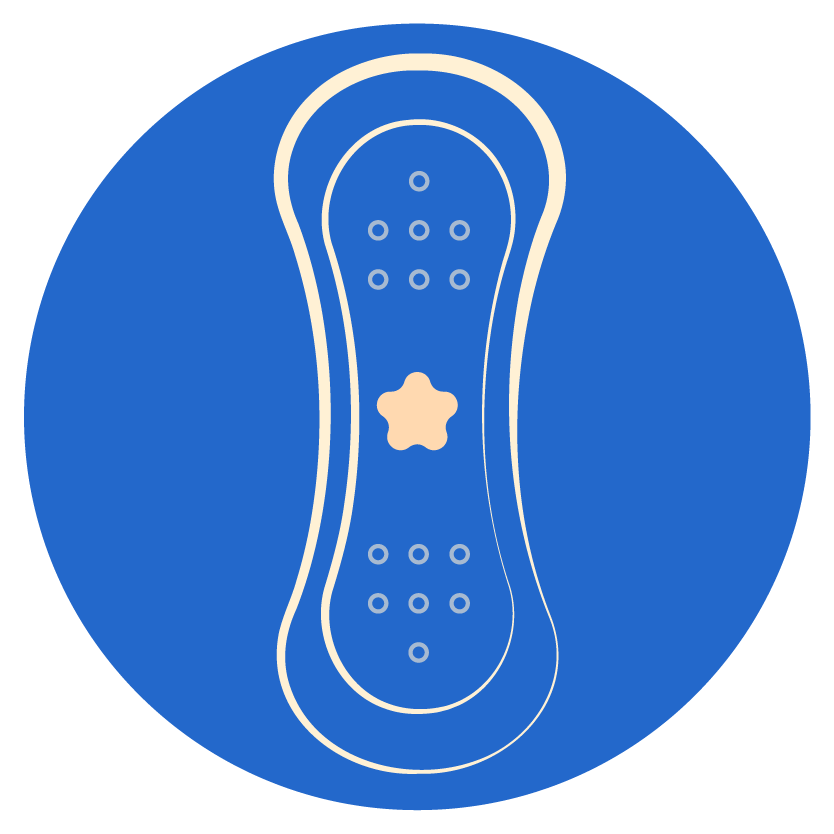
In early pregnancy a person will develop a cervical plug. This is a layer of mucus that covers the cervix and blocks the entrance to the womb. This helps keep the baby safe and healthy. This can also be an early sign of pregnancy.
Read more
Headaches are common during pregnancy due to hormonal changes, increased blood volume, and changes in blood circulation. Managing stress, staying hydrated, and getting regular exercise can help prevent headaches. However, if headaches are severe, persistent, or accompanied by other symptoms like vision changes or swelling, consult your healthcare provider for evaluation and guidance.
Read more
Trouble sleeping, including difficulty falling asleep or staying asleep, is common during pregnancy due to hormonal changes, physical discomfort, and anxiety. To improve sleep quality, establish a relaxing bedtime routine, create a comfortable sleep environment, and practice relaxation techniques like deep breathing or meditation. If sleep problems persist or worsen, consult your healthcare provider for evaluation and guidance on managing symptoms safely during pregnancy.
Read more
Hormonal fluctuations during pregnancy can lead to mood swings, characterized by sudden changes in emotions, ranging from happiness to sadness or irritability. It's essential to communicate openly with your partner and healthcare provider about your feelings and concerns. Engaging in relaxation techniques, maintaining a healthy lifestyle, and seeking support from loved ones can help manage mood swings during pregnancy.
Read more
During pregnancy, hormonal changes can contribute to vivid and sometimes strange dreams. These dreams are common and often reflect subconscious thoughts and anxieties about pregnancy and parenthood. While strange dreams are typically harmless, practicing relaxation techniques before bed and maintaining a consistent sleep schedule may help improve sleep quality. If dreams become distressing or disruptive, consult your healthcare provider for guidance.
Read moreAsk BabySteps AI and get guidance based on your pregnancy stage.
Learn more about what to expect with expert-guided videos and articles curated for this stage of your pregnancy.
Join thousands of parents using BabySteps to track symptoms, milestones, appointments, and baby development in one place.